Porcelain tiles are the best material for bathroom renovation due to their durability and water resistance. They offer a wide range of styles and are easy to maintain.
Renovating a bathroom requires careful material selection for both functionality and aesthetics. Porcelain tiles stand out because they are incredibly durable and resistant to water, making them ideal for wet environments. They come in numerous designs, allowing for customization to match any decor style.
Additionally, porcelain tiles are low maintenance, which means they retain their look and quality for years with minimal effort. This combination of practical benefits and aesthetic flexibility makes porcelain tiles the top choice for bathroom renovations. Choose porcelain for a blend of beauty and durability that lasts.

Credit: www.rbrohant.com
Ceramic Tiles
Choosing the right material for bathroom renovation is crucial. One popular choice is ceramic tiles. These tiles offer a combination of durability, design flexibility, and ease of maintenance. Let’s explore why ceramic tiles could be the best option for your bathroom renovation.
Durability And Maintenance
Ceramic tiles are known for their durability. They resist water, stains, and scratches, making them ideal for bathrooms. These tiles can last for years without losing their charm.
Maintaining ceramic tiles is straightforward. Simply clean them with a mop and mild detergent. They resist mold and mildew, which is essential for wet environments. This makes them a low-maintenance option for busy households.
Design Options
Ceramic tiles offer a wide range of design options. They come in various colors, sizes, and patterns. You can easily find a style that matches your bathroom décor.
Whether you prefer a modern, classic, or rustic look, ceramic tiles can fit your needs. They can mimic natural stone, wood, or even metal, giving you endless possibilities for creativity.
Here are some popular design options:
Subway tiles
Mosaic patterns
Geometric designs
Textured finishes
With ceramic tiles, you can create a unique and personalized bathroom space.
Natural Stone
Natural stone is a popular choice for bathroom renovations. It adds elegance and durability. Many homeowners prefer it for its timeless beauty and resilience. Let’s explore its pros and cons, as well as popular varieties.
Pros And Cons
Pros | Cons |
|---|---|
Durable and long-lasting | Can be expensive |
Unique and natural look | Requires regular maintenance |
Resistant to heat and moisture | Can be slippery when wet |
Increases home value | Heavy and may need extra support |
Popular Varieties
Marble: Known for its luxurious appearance. Available in various colors.
Granite: Very durable. Resists scratches and stains.
Travertine: Offers a rustic, classic look. Softer and more porous.
Slate: Provides a rugged and natural look. Non-slip surface.
Limestone: Soft and elegant. Requires sealing to prevent stains.
Choosing natural stone for your bathroom can enhance its beauty and functionality. Each type has unique characteristics to match your style and needs.
Vinyl Flooring
Vinyl flooring is a popular choice for bathroom renovation. It offers durability, water resistance, and a variety of designs. Homeowners prefer it for its affordability and easy maintenance.
Cost-effectiveness
Vinyl flooring is one of the most cost-effective options for bathrooms. It is cheaper than ceramic tiles, wood, or stone. The price ranges from $2 to $7 per square foot. This makes it a budget-friendly choice for many families.
Here’s a simple cost comparison table:
Material | Cost per sq ft |
|---|---|
Vinyl | $2 – $7 |
Ceramic Tiles | $5 – $10 |
Wood | $8 – $15 |
Stone | $10 – $20 |
Installation Process
Installing vinyl flooring is easy and quick. You can even do it yourself. It requires basic tools and skills. There are two main types of vinyl flooring: sheet and plank.
Sheet Vinyl: Comes in large rolls. Cut to fit the room.
Vinyl Plank: Looks like wood planks. Easy to snap together.
Steps to install vinyl flooring:
Measure the bathroom floor.
Cut the vinyl to size.
Prepare the subfloor.
Lay the vinyl.
Secure the edges.
Many homeowners appreciate the simplicity of vinyl installation. It saves time and money on labor costs.
Glass
Glass is a popular choice for bathroom renovations. It offers a sleek, modern look and is versatile. Glass can be used for shower doors, mirrors, and even countertops.
Modern Aesthetic
Using glass in your bathroom creates a modern aesthetic. It makes the space look bigger and brighter. Glass shower doors are a prime example. They allow light to flow through, making the bathroom feel more open. Mirrors with glass frames add a touch of elegance. Glass countertops are another trendy option. They give a clean and polished look.
Cleaning Tips
Glass surfaces are easy to clean. Use a mild cleaner and a soft cloth. Avoid harsh chemicals. For glass shower doors, a squeegee helps prevent water spots. Wipe mirrors with a glass cleaner for a streak-free shine. For glass countertops, a simple wipe with soap and water works best. Always dry the glass to avoid streaks.
Concrete
Concrete is a top choice for bathroom renovations. It offers strength, longevity, and customization. This material fits modern and industrial bathroom styles. Let’s explore why concrete is a great option.
Strength And Longevity
Concrete is incredibly strong. It can handle heavy use and lasts for years. This makes it perfect for bathroom floors and countertops. With concrete, you won’t worry about wear and tear.
Concrete is also resistant to water damage. Bathrooms see a lot of moisture, and concrete stands up to this well. Its durability ensures your bathroom stays in great shape.
Customization Potential
Concrete offers amazing customization. You can shape it to fit any design. It can be molded into sinks, bathtubs, and more. This flexibility allows for unique and personal bathroom designs.
Concrete can also be stained or colored. This means you can match it to any color scheme. You can also add textures to the surface. This creates a one-of-a-kind look.
Feature | Details |
|---|---|
Strength | Handles heavy use, resists wear and tear |
Longevity | Lasts for years, resists water damage |
Customization | Shapes, colors, and textures |
Durable: Concrete is strong and long-lasting.
Water-resistant: Perfect for moist environments.
Flexible design: Shape and color it as you like.
Choose concrete for strength.
Enjoy its long-lasting qualities.
Customize it to fit your style.
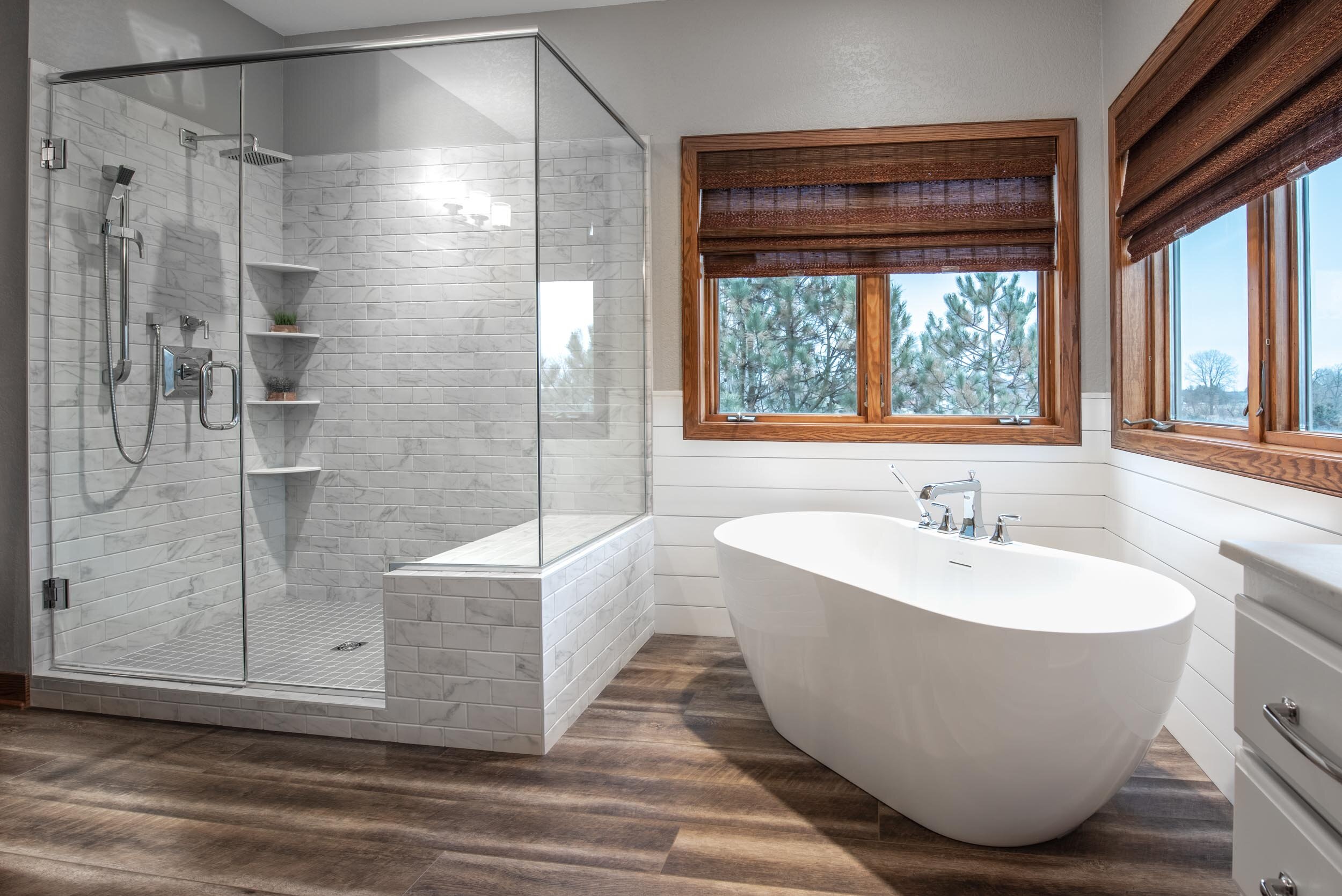
Credit: degnandesignbuildremodel.com
Comparative Analysis
Choosing the right material for your bathroom renovation is crucial. It’s essential to consider cost, ease of installation, durability, and maintenance. This section will provide a comparative analysis to help you make an informed decision.
Price Comparison
The cost of materials can vary significantly. Here is a comparative table that shows the price range of some popular bathroom renovation materials:
Material | Price per Square Foot |
|---|---|
Ceramic Tile | $1 – $5 |
Porcelain Tile | $3 – $10 |
Vinyl | $2 – $7 |
Natural Stone | $15 – $30 |
Laminate | $1 – $5 |
Ceramic tile is the most affordable option. Natural stone is the most expensive. Porcelain tile and vinyl fall in the middle range.
Ease Of Installation
Some materials are easier to install than others. Here is a quick comparison:
Ceramic Tile: Moderate difficulty. Requires precise cutting and grouting.
Porcelain Tile: More difficult. Heavier and denser than ceramic.
Vinyl: Easy to install. Available in peel-and-stick options.
Natural Stone: Hard to install. Requires professional installation.
Laminate: Easy to install. Often comes in click-lock planks.
Vinyl and laminate are the easiest to install. Natural stone demands professional help. Ceramic and porcelain tiles require some skill but can be DIY projects.
Eco-friendly Options
Renovating your bathroom can be both exciting and daunting. Choosing the right materials is crucial for a successful project. Eco-friendly options are becoming increasingly popular. They help reduce your carbon footprint and create a healthier environment.
Sustainable Materials
Many sustainable materials are available for bathroom renovation. These materials are renewable and have a low environmental impact. Here are some popular options:
Bamboo: Bamboo grows quickly and is a durable choice for flooring and cabinets.
Cork: Cork is water-resistant and provides excellent insulation.
Reclaimed Wood: Using reclaimed wood adds a rustic charm while reducing deforestation.
Recycled Glass Tiles: These tiles are made from recycled glass and come in various colors and designs.
Recycling Potential
Consider the recycling potential of materials used in your bathroom renovation. This helps minimize waste and supports a circular economy. Some materials are easier to recycle than others. Here are some examples:
Material | Recycling Potential |
|---|---|
Glass | High |
Metal | High |
Plastic | Varies |
Ceramic | Low |
Choosing materials with high recycling potential ensures they can be repurposed at the end of their life. This reduces waste and conserves resources.
Final Considerations
Choosing the right material for your bathroom renovation requires thoughtful consideration. You should think about durability, aesthetics, and maintenance. Here are some final points to keep in mind.
Budget Planning
Budget planning is crucial for any bathroom renovation. You need to decide how much you are willing to spend. This helps you narrow down your options.
Material | Cost Range | Durability |
|---|---|---|
Ceramic Tiles | $2 – $5 per sq ft | High |
Natural Stone | $5 – $15 per sq ft | Very High |
Vinyl | $1 – $3 per sq ft | Moderate |
Make sure you account for additional costs such as labor and installation. These can add up quickly. It is better to overestimate your budget than underestimate.
Professional Advice
Seeking professional advice can save you a lot of trouble. Experts can guide you on the best materials for your specific needs. They can also help you avoid costly mistakes.
Consult a contractor for material recommendations.
Ask about the pros and cons of each material.
Get multiple quotes to compare prices.
Professionals can also provide insights on the latest trends. They keep up-to-date with new materials and technologies. This helps you make informed decisions.
Remember to always check reviews and references before hiring a professional. A good contractor will have a solid track record. This ensures your renovation goes smoothly.
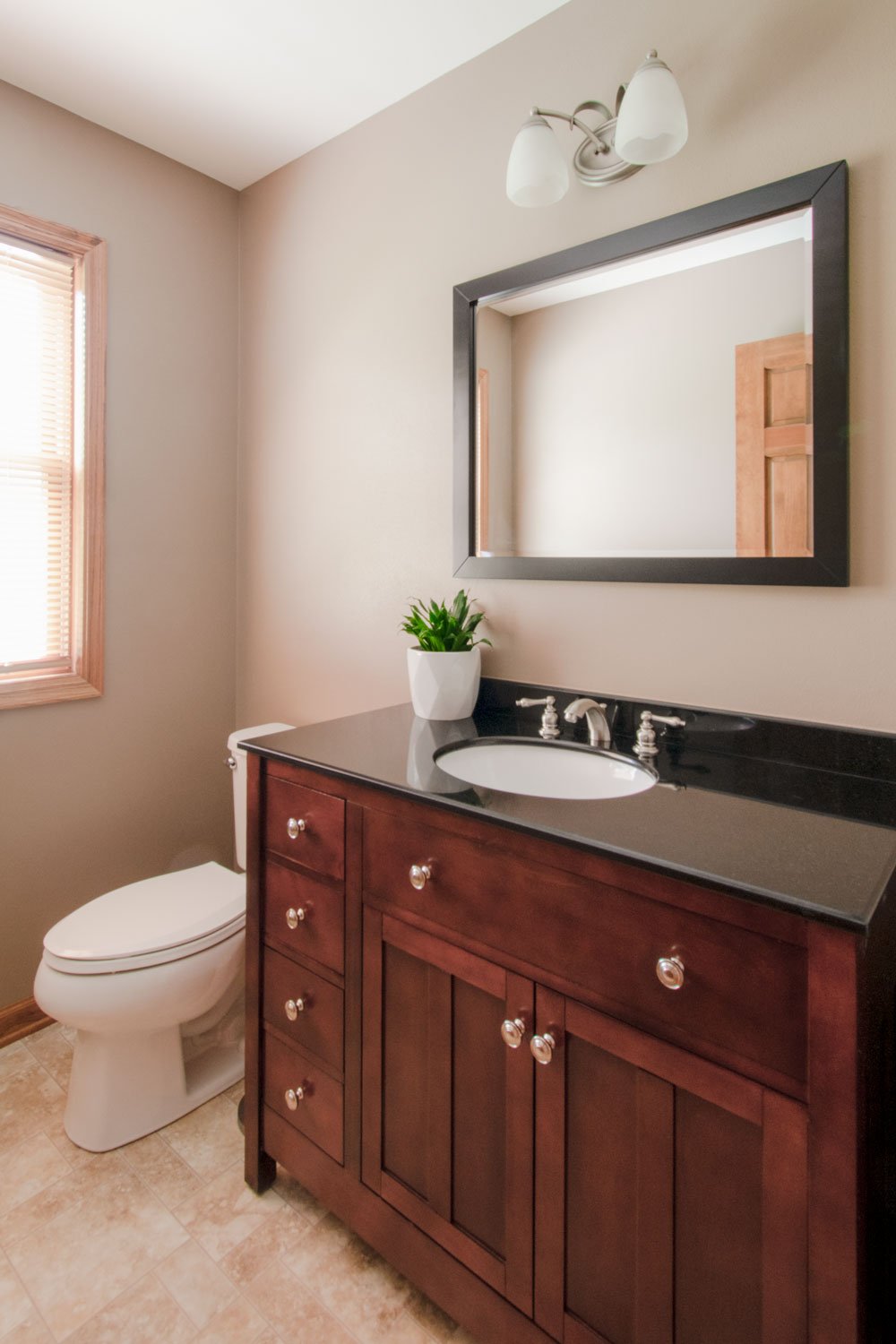
Credit: kowalske.com
Frequently Asked Questions
What Is The Best Material For Bathroom Floors?
The best material for bathroom floors is porcelain tile. It’s durable, water-resistant, and easy to clean. Porcelain also offers various styles and colors, making it versatile for any design.
Which Countertop Material Is Ideal For Bathrooms?
Quartz is the ideal countertop material for bathrooms. It’s non-porous, resistant to stains, and easy to maintain. Quartz also provides a sleek, modern look.
Are Ceramic Tiles Good For Bathroom Walls?
Yes, ceramic tiles are great for bathroom walls. They are water-resistant, easy to clean, and come in various designs. Ceramic tiles also offer affordability without compromising on style.
Is Natural Stone Suitable For Bathroom Renovation?
Natural stone is suitable but requires sealing. It offers a luxurious look but needs regular maintenance. Stone like marble or granite can add timeless elegance to your bathroom.
Conclusion
Selecting the right material is crucial for a successful bathroom renovation. Consider durability, style, and budget. Popular choices include ceramic tiles, natural stone, and engineered wood. Each material offers unique benefits. Choose wisely to enhance your bathroom’s functionality and aesthetics.
A well-planned renovation can significantly increase your home’s value and comfort.