
Consider your budget, layout, and local regulations when planning a kitchen renovation in Australia. These factors ensure a smooth and efficient process.
Renovating your kitchen is an exciting project that can add value to your home and improve functionality. Start by setting a clear budget to avoid overspending. Think about the layout to maximize space and efficiency. Adhering to local regulations is crucial to avoid legal issues down the road.
Research materials and appliances that suit your lifestyle and aesthetic preferences. Hire experienced professionals to ensure high-quality workmanship. Planning thoroughly helps you achieve a kitchen that is both beautiful and practical. With careful consideration, your kitchen renovation will be a rewarding experience.
Budget Planning
Planning a kitchen renovation in Australia can be exciting yet challenging. One of the key aspects is budget planning. Proper budgeting helps you manage costs and avoid unexpected expenses.
Cost Breakdown
Understanding the cost breakdown is crucial. Here is a simple table to help you:
Item | Estimated Cost (AUD) |
|---|---|
Cabinets | $5,000 – $15,000 |
Countertops | $2,000 – $5,000 |
Appliances | $3,000 – $10,000 |
Plumbing | $1,000 – $3,000 |
Electrical Work | $1,000 – $3,000 |
Flooring | $2,000 – $5,000 |
Labor | $5,000 – $10,000 |
These estimates help you plan your budget better. Always get multiple quotes from contractors.
Contingency Fund
It’s wise to set aside a contingency fund. This fund covers unexpected expenses.
Here are some tips for managing a contingency fund:
Allocate 10-20% of your total budget.
Keep this fund separate from your main budget.
Use it only for emergency costs.
A contingency fund helps you stay on track even if surprises arise. Proper budget planning ensures a smooth kitchen renovation process.
Design Inspiration
Planning a kitchen renovation in Australia can be exciting. One key aspect is drawing design inspiration. This helps create a space that reflects your style and meets your needs. Explore the latest modern trends and timeless classics for the perfect blend of aesthetics and functionality.
Modern Trends
Modern kitchen trends focus on minimalism and functionality. These designs feature clean lines and sleek surfaces. Here are some key elements:
Open Shelving: Adds visual space and easy access to items.
Smart Appliances: Technology-integrated appliances for convenience.
Neutral Color Palettes: Whites, greys, and blacks dominate.
Bold Backsplashes: Unique patterns and textures make a statement.
Eco-Friendly Materials: Sustainable choices like bamboo and recycled glass.
Timeless Classics
Timeless kitchen designs never go out of style. These elements ensure your kitchen remains elegant for years:
White Cabinetry: Classic and versatile for any decor.
Natural Stone Countertops: Durable and luxurious surfaces like granite or marble.
Subway Tile Backsplashes: Simple, clean, and elegant design.
Hardwood Flooring: Warmth and character with long-lasting appeal.
Classic Fixtures: Timeless faucets and hardware in finishes like chrome and brass.
Combining modern trends with timeless classics creates a balanced and stylish kitchen. Make sure to incorporate these elements for a beautiful and functional space.
Material Selection
Planning a kitchen renovation in Australia involves many decisions. One of the most critical is material selection. The right materials can enhance your kitchen’s durability, aesthetics, and sustainability. Let’s explore some important considerations.
Durable Options
Choosing durable materials ensures your kitchen lasts longer. Here are some popular choices:
Granite countertops: Resistant to heat and scratches.
Quartz countertops: Non-porous and easy to clean.
Stainless steel appliances: Long-lasting and easy to maintain.
Hardwood floors: Classic look and durable with proper care.
Sustainable Choices
Opt for sustainable materials to create an eco-friendly kitchen. Consider these options:
Bamboo flooring: Renewable and grows quickly.
Recycled glass countertops: Unique look and eco-friendly.
Reclaimed wood cabinets: Adds character and reduces waste.
Energy-efficient appliances: Saves power and reduces bills.
Here’s a quick comparison of durable and sustainable materials:
Material | Type | Benefits |
|---|---|---|
Granite | Durable | Heat and scratch-resistant |
Quartz | Durable | Non-porous and easy to clean |
Bamboo | Sustainable | Renewable and fast-growing |
Recycled glass | Sustainable | Eco-friendly and unique |
By focusing on durable and sustainable materials, you can create a kitchen that is both beautiful and long-lasting.
Layout Optimization
Planning a kitchen renovation in Australia involves multiple considerations. One of the most critical aspects is layout optimization. A well-optimized kitchen layout ensures efficient workflow, maximizes space, and enhances the overall functionality of the kitchen. This section will guide you through essential elements like the work triangle and the choice between open vs. closed spaces.
Work Triangle
The work triangle is a key principle in kitchen design. It refers to the placement of the stove, sink, and refrigerator. These three points form a triangle, creating an efficient workflow. Ideally, each leg of the triangle should be between 1.2 to 2.7 meters.
A well-designed work triangle reduces unnecessary steps and saves time. Ensure there are no obstructions within the triangle. This design principle enhances both safety and efficiency in the kitchen.
Open Vs. Closed Spaces
Choosing between open and closed kitchen spaces depends on your lifestyle and preferences. Open kitchens are integrated with living or dining areas. They create a spacious and inclusive environment. Open spaces are perfect for entertaining guests and family interactions.
Closed kitchens are separate rooms, providing privacy and reducing noise. They are ideal for those who prefer a dedicated cooking space. Closed kitchens also contain cooking odors better than open layouts.
Feature | Open Kitchens | Closed Kitchens |
|---|---|---|
Space | Spacious and inclusive | Private and contained |
Interaction | Great for socializing | Focus on cooking |
Odor Control | Less control | Better control |
Both open and closed layouts have their pros and cons. Consider your family’s needs and lifestyle. Choose a layout that best suits your daily activities and cooking habits.
Appliance Choices
Choosing the right appliances for your kitchen renovation in Australia is crucial. You need to think about energy efficiency, smart technology, and overall functionality. Let’s delve into these aspects to help you make informed decisions.
Energy Efficiency
Energy-efficient appliances save money and reduce your carbon footprint. Look for appliances with the Energy Star rating. This certification ensures that the appliance meets Australian energy efficiency standards.
Consider these energy-efficient appliances:
Refrigerators: Modern fridges use less energy and keep food fresher.
Dishwashers: Look for models that use less water and energy.
Ovens: Convection ovens cook food faster, saving energy.
Here’s a quick comparison table for energy-efficient appliances:
Appliance | Energy Star Rating | Estimated Annual Energy Cost |
|---|---|---|
Refrigerator | 4 Stars | $50 |
Dishwasher | 5 Stars | $30 |
Oven | 3 Stars | $40 |
Smart Technology
Smart technology makes your kitchen more convenient and efficient. Consider appliances with Wi-Fi connectivity and smart controls. These features allow you to control and monitor your appliances remotely.
Popular smart kitchen appliances include:
Smart Refrigerators: They can create shopping lists and suggest recipes.
Smart Ovens: Preheat from your phone and get cooking alerts.
Smart Dishwashers: Start cycles remotely and monitor energy usage.
Integrating smart appliances can streamline your kitchen experience. They save time and offer enhanced functionality.
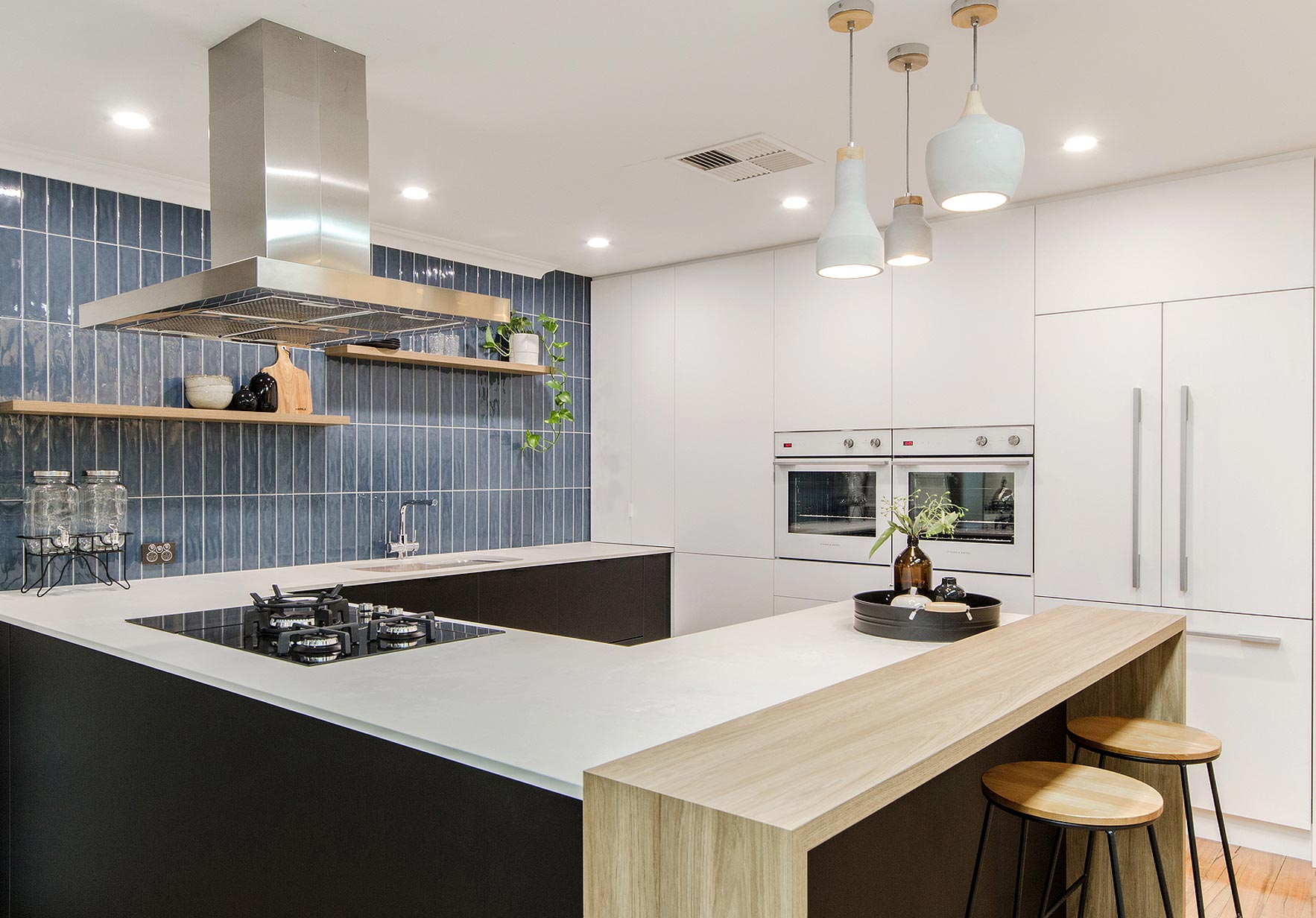
Credit: www.azztek.com.au
Lighting Solutions
Planning a kitchen renovation in Australia involves many decisions. One crucial aspect is the lighting. Proper lighting enhances functionality and aesthetics. You’ll need different types of lighting for various tasks and moods. Let’s explore some essential lighting solutions.
Ambient Lighting
Ambient lighting serves as the primary light source in your kitchen. It should provide a comfortable level of brightness. Ceiling-mounted fixtures and recessed lights are common options. These lights evenly distribute light across the entire kitchen.
Consider the color temperature of your lights. Warm white creates a cozy atmosphere. Cool white offers a modern, clean look. LED lights are energy-efficient and last longer. Use dimmable switches for greater control over the light intensity.
Task Lighting
Task lighting focuses on specific areas where you perform tasks. This includes countertops, stoves, and sinks. Proper task lighting ensures safety and precision. Under-cabinet lights are popular for illuminating countertops. Pendant lights work well over islands and dining areas.
Task Area | Recommended Lighting |
|---|---|
Countertops | Under-cabinet lights |
Stove | Range hood lights |
Sink | Recessed or track lights |
Island | Pendant lights |
Ensure task lighting has minimal shadows and glare. Adjustable fixtures provide flexibility. LED strip lights under cabinets offer a sleek look and even illumination.
With these lighting solutions, your kitchen will be both functional and inviting. Proper lighting enhances your kitchen’s usability and style.
Storage Solutions
Planning a kitchen renovation in Australia requires smart storage solutions. A well-organized kitchen is key to a happy home. This section will explore different cabinetry options and innovative ideas to maximize space and functionality.
Cabinetry Options
Choosing the right cabinetry is crucial for your kitchen. Here are some popular options:
Type | Description |
|---|---|
Shaker Cabinets | Simple, classic design, versatile for any kitchen style. |
Flat-Panel Cabinets | Sleek, modern look, easy to clean. |
Glass-Front Cabinets | Great for displaying dishes, adds elegance. |
Innovative Ideas
Innovative storage ideas can transform your kitchen space. Consider these options:
Pull-Out Pantries: Utilize narrow spaces, easy access to items.
Corner Drawers: Maximize corner space, easy to organize.
Built-In Spice Racks: Keep spices organized, save shelf space.
Under-Sink Storage: Use custom shelves or racks.
For a more personalized touch, consider custom-built solutions. These can be designed to fit your specific needs and preferences. Custom solutions may cost more but offer unique benefits.
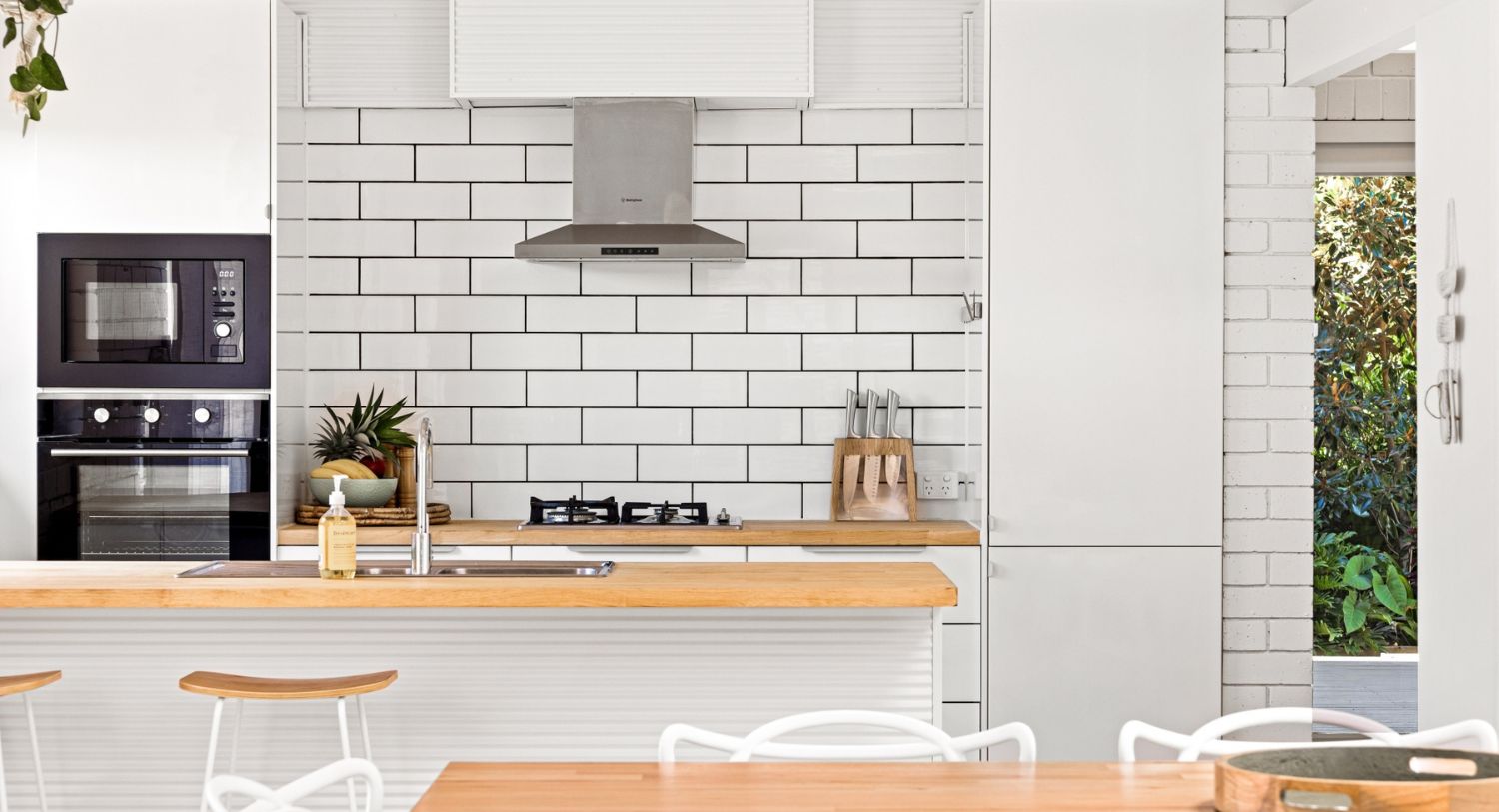
Credit: www.signatureconstruction.com.au
Hiring Professionals
When planning a kitchen renovation in Australia, hiring professionals is essential. They ensure the project runs smoothly and meets high standards. This section will guide you through the process of finding contractors and working with designers.
Finding Contractors
Finding the right contractor is crucial for your kitchen renovation. A good contractor will manage the project and deliver quality work.
Research: Look for contractors with good reviews and portfolios.
Quotes: Get quotes from multiple contractors to compare prices.
References: Ask for references from past clients to gauge reliability.
Licensing: Ensure the contractor has the necessary licenses.
Working With Designers
Designers help to bring your dream kitchen to life. They ensure the layout is functional and aesthetically pleasing.
Consultation: Schedule a consultation to discuss your ideas and needs.
Portfolio: Review their portfolio to see past projects.
Budget: Ensure the designer works within your budget.
Communication: Maintain open communication throughout the project.
Having a designer simplifies the renovation process. They can help with:
Choosing materials
Selecting colors
Planning the layout
Ensuring the design fits your lifestyle
Working with a designer can make the renovation stress-free and enjoyable.

Credit: www.houzz.com.sg
Frequently Asked Questions
What Are The First Steps In Planning A Kitchen Renovation?
Start by setting a clear budget and identifying your needs. Research designs, materials, and local contractors. Ensure compliance with Australian regulations.
How Long Does A Kitchen Renovation Take In Australia?
The duration varies, but typically it takes 4-8 weeks. Planning and sourcing materials can add extra time.
What Is The Cost Of A Kitchen Renovation In Australia?
Costs range from $10,000 to $50,000, depending on the scope and quality of materials. Always budget for unexpected expenses.
Do I Need A Permit For A Kitchen Renovation In Australia?
Yes, permits are often required for structural changes and plumbing. Check with your local council for specifics.
Conclusion
Careful planning ensures a successful kitchen renovation in Australia. Focus on budget, design, and functionality. Consult professionals for expert advice. Choose quality materials and appliances. With these considerations, your dream kitchen can become a reality. Happy renovating!