
Choosing the right kitchen sink size can be daunting. It’s crucial for function and style.
A well-fitted kitchen sink makes a significant difference in daily tasks. From washing dishes to prepping meals, the size of your sink impacts your efficiency. But how do you decide which size is best for your kitchen? This guide will help you understand various sink sizes and their benefits.
We’ll also share practical tips to ensure you choose the perfect fit. Whether you have a small kitchen or a spacious one, finding the right sink size is essential. Stay with us to learn how to make an informed decision that enhances your kitchen’s usability and aesthetics.
Types Of Kitchen Sinks
Choosing the right kitchen sink size can transform your kitchen’s functionality and style. Understanding the different types of sinks helps you find the perfect fit for your kitchen. Here are the most common types of kitchen sinks to consider:
Single Bowl Sinks
Single bowl sinks are a popular choice for many kitchens. They offer a large, uninterrupted space for washing dishes. These sinks are great for small kitchens where space is limited.
Easy to clean
Accommodates large pots and pans
Simple design
Single bowl sinks come in various materials like stainless steel, porcelain, and granite. This variety ensures you can find a style that matches your kitchen decor.
Double Bowl Sinks
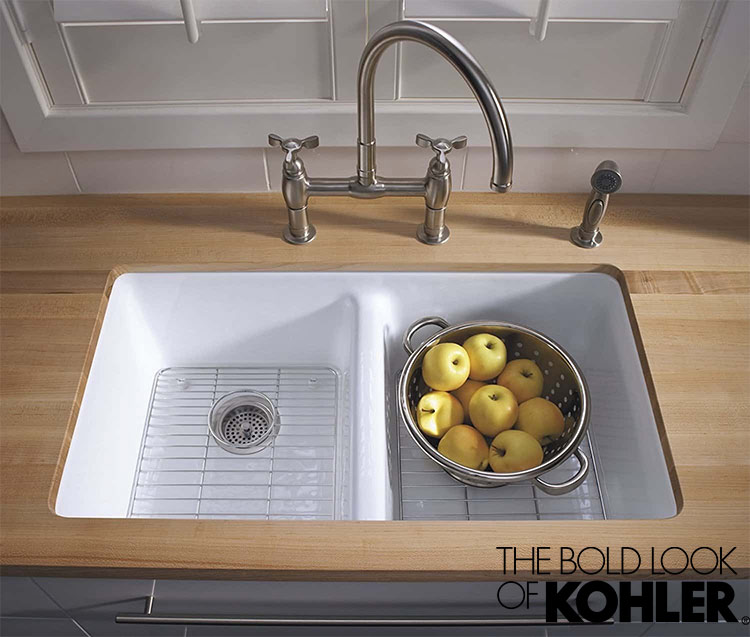
Double bowl sinks offer two separate compartments. They are perfect for multitasking in the kitchen. You can wash dishes in one bowl and rinse vegetables in the other.
Advantages | Disadvantages |
|---|---|
Versatile | Requires more space |
Perfect for multitasking | More difficult to clean |
These sinks are ideal for larger kitchens where there is plenty of counter space available.
Farmhouse Sinks
Farmhouse sinks, also known as apron-front sinks, add a rustic charm to any kitchen. They feature a deep basin and an exposed front panel.
Deep and spacious
Stylish and traditional look
Durable construction
Farmhouse sinks are often made from materials like fireclay, cast iron, or copper. They are perfect for those who love a classic kitchen design.
Undermount Sinks
Undermount sinks are installed beneath the countertop. This creates a seamless look and makes cleaning the counter easier.
Sleek and modern appearance
Easy to clean
Maximizes counter space
These sinks are typically paired with solid surface countertops like granite or quartz. They are ideal for those who prefer a contemporary kitchen design.

Credit: www.fabuwood.com
Material Options
Choosing the right material for your kitchen sink is crucial. It affects durability, appearance, and maintenance. Below are the most popular material options to consider.
Stainless Steel
Stainless steel sinks are a top choice for many kitchens. They are durable and resist rust and stains. These sinks come in various thicknesses. Thicker ones are more durable and quieter. They also match most kitchen appliances. This makes them a versatile option.
Granite Composite
Granite composite sinks are known for their strength and beauty. They consist of crushed granite and resin. This makes them incredibly hard and scratch-resistant. They also resist heat and stains. Granite composite sinks come in various colors. This allows for greater customization in kitchen design.
Fireclay
Fireclay sinks offer a classic look and are made from molded clay. They are then fired at high temperatures. This process creates a hard, durable finish. Fireclay sinks resist scratches, stains, and chips. They are often used in farmhouse-style kitchens. Their elegant appearance adds charm to any kitchen.
Cast Iron
Cast iron sinks are known for their durability and classic look. They have a smooth, glossy enamel finish. This finish is resistant to stains and scratches. Cast iron sinks are heavy and require strong support. They are available in many colors. This makes them a versatile option for various kitchen styles.
Measuring Your Space
Choosing the right kitchen sink size starts with measuring your space. Accurate measurements ensure a perfect fit and save you from future headaches. Here’s how to measure your space correctly.
Countertop Dimensions
Your countertop dimensions play a crucial role in sink selection. Measure the length and width of your countertop where the sink will be installed. Ensure you leave enough space for any surrounding fixtures or cabinets.
Measure from edge to edge.
Consider any overhangs or lips.
Allow space for faucets and accessories.
Cabinet Size
The size of the cabinet under your sink also matters. Measure the width, depth, and height of the cabinet. This ensures the sink will fit properly without interfering with the cabinet structure.
Measurement | Details |
|---|---|
Width | Measure from side to side inside the cabinet. |
Depth | Measure from front to back inside the cabinet. |
Height | Measure from the bottom to the top inside the cabinet. |
Depth Considerations
Depth is another important factor. Standard sink depths range from 7 to 10 inches. Consider the depth of your countertop and the space available under the sink. Deeper sinks can hold more dishes but may reduce under-sink storage space.
Measure the depth of your current sink.
Check the clearance below the sink for plumbing.
Consider your typical use and storage needs.
By following these steps, you can ensure the perfect fit for your new kitchen sink.
Installation Methods
Choosing the right kitchen sink size is essential. The installation method plays a crucial role. It affects both aesthetics and functionality. There are three main installation methods for kitchen sinks. Each method has its own benefits. Let’s explore them.
Top-mount Sinks
Top-mount sinks, also known as drop-in sinks, are the most common. They have a rim that sits on top of the counter. This rim helps support the sink. Top-mount sinks are easy to install. They are also more affordable. Cleaning around the rim can be a bit tricky. But they are a popular choice for many homeowners.
Under-mount Sinks
Under-mount sinks are installed beneath the countertop. They create a seamless look. This method makes cleaning easier. There is no rim to catch debris. Under-mount sinks require more support. They may need professional installation. They offer a sleek and modern appearance. Many homeowners prefer this style for a clean look.
Flush-mount Sinks
Flush-mount sinks, also called integrated sinks, sit flush with the countertop. There is no raised rim. This installation method offers a smooth transition. It provides a high-end look. Cleaning is easy and efficient. Flush-mount sinks often require precise countertop cutting. They can be more expensive. But they add a luxurious touch to any kitchen.
Functional Needs
Choosing the right kitchen sink size is crucial for functionality. Different factors come into play depending on your daily activities and household size. Below, we will explore key aspects to consider under Functional Needs to ensure you make an informed decision.
Cooking Habits
Think about how often you cook. If you cook daily, a larger sink might be necessary. This will accommodate all your pots, pans, and utensils. For those who bake often, deep sinks can be very useful. They make it easier to wash large baking sheets and mixing bowls.
Consider whether you cook large meals or simple dishes. Large meals usually require more cleanup, so a bigger sink might be more convenient. If you only prepare quick meals, a smaller sink could suffice.
Cleaning Routines
Your cleaning habits also affect the ideal sink size. People who hand-wash their dishes might benefit from a divided sink. One side can be for washing, and the other for rinsing.
If you use a dishwasher, a single-basin sink may be enough. A single-basin sink offers more space for large items. Think about your cleaning routines to find a sink that complements your habits.
Family Size
The size of your family directly impacts your sink needs. Larger families usually generate more dishes. A big, deep sink can make cleanup easier and faster.
Smaller families or individuals may not need an oversized sink. A moderate size can be sufficient, saving counter space for other uses.
To summarize, understanding your functional needs is key. Assess your cooking habits, cleaning routines, and family size to find the perfect kitchen sink. This approach ensures the sink you choose makes your kitchen both practical and efficient.
Credit: capitolkitchensandbaths.com
Aesthetic Considerations
Choosing the right kitchen sink size goes beyond functionality. Aesthetic considerations play a crucial role in harmonizing your kitchen space. The sink should blend seamlessly with the kitchen’s overall design. Let’s explore some key aesthetic factors to consider.
Kitchen Style
Your kitchen style greatly influences the type of sink you choose. For a modern kitchen, sleek and minimalist sinks work best. In a farmhouse-style kitchen, consider apron-front sinks. Traditional kitchens benefit from classic, top-mounted sinks. Ensure the sink complements your kitchen’s theme.
Color Matching
Color coordination is essential for a cohesive look. Match your sink color with the countertops and cabinets. Stainless steel sinks are versatile and fit most color schemes. For a bold statement, opt for a black or bronze sink. White sinks offer a clean and timeless appeal.
Finish Options
The sink’s finish affects its appearance and durability. A brushed finish hides scratches better than a polished one. Matte finishes provide a contemporary look, while glossy finishes add a touch of elegance. Choose a finish that aligns with your kitchen’s design and your maintenance preferences.
Budget And Quality
Choosing the right kitchen sink size is crucial. It impacts your daily use, budget, and overall kitchen appeal. Budget and quality are key factors in this decision. Let’s explore how cost, durability, and warranty can guide you to the best choice.
Cost Factors
Your budget plays a significant role in selecting a kitchen sink. Prices vary based on material, size, and brand. Here’s a simple breakdown:
Material | Average Cost |
|---|---|
Stainless Steel | $100 – $500 |
Granite Composite | $200 – $700 |
Ceramic | $300 – $900 |
Installation costs also vary. DIY installation saves money but requires skill. Professional installation ensures a perfect fit but adds to the expense.
Durability
Durability is essential for a long-lasting kitchen sink. Stainless steel sinks are popular for their resilience. They resist scratches and stains well. Granite composite sinks offer high durability and a sleek look. Ceramic sinks provide a classic appeal but can chip or crack.
Stainless Steel: High resistance to damage
Granite Composite: Durable with modern aesthetics
Ceramic: Classic but prone to chipping
Consider your usage habits and kitchen style to choose the most durable option.
Warranty And Support
Warranty and support are vital for peace of mind. Most sinks come with a manufacturer’s warranty. This can range from one year to a lifetime. Check the warranty details before purchasing. Customer support is also important. Look for brands with good reviews and reliable service. This ensures help if you face issues with your sink.
A good warranty and support system can save you time and money in the long run.
Environmental Impact
Choosing the right kitchen sink size is not only about aesthetics and functionality. It also has an environmental impact. The materials used, water usage, and recycling options all play a role in reducing your kitchen’s carbon footprint. Let’s explore these factors in more detail.
Eco-friendly Materials
Opting for eco-friendly materials can make a big difference. Materials like stainless steel, bamboo, and recycled composites are sustainable choices. They require less energy to produce and are often recyclable.
Material | Environmental Benefits |
|---|---|
Stainless Steel | Recyclable, durable, and long-lasting |
Bamboo | Rapidly renewable, biodegradable |
Recycled Composites | Uses waste materials, reduces landfill |
Water Usage
The size of your sink affects water usage. Larger sinks often lead to higher water consumption. Choosing a smaller sink can help reduce water waste.
Install water-saving faucets
Use a basin to wash dishes
Fix leaks promptly
These simple steps can make a significant impact on your overall water usage.
Recycling Options
When it is time to replace your sink, consider recycling options. Many materials can be recycled instead of ending up in a landfill.
Contact local recycling centers
Check if the manufacturer offers recycling programs
Donate usable sinks to reuse centers
Recycling your old sink helps conserve resources and reduce waste.

Credit: allorausa.com
Frequently Asked Questions
What Are Standard Kitchen Sink Sizes?
Standard kitchen sink sizes range from 24 to 36 inches. Most common widths are 30 and 33 inches. Depths typically range from 8 to 10 inches.
How Do I Measure For A New Kitchen Sink?
Measure the width, depth, and length of your current sink. Ensure it fits within your countertop’s cutout. Consider cabinet space below.
What Sink Size Is Best For Small Kitchens?
For small kitchens, a 24 to 27-inch sink is ideal. It provides functionality without overwhelming the space. Choose a single basin design.
Are Deeper Sinks Better?
Deeper sinks offer more space for washing large pots. They can also reduce splash. However, they may require more bending.
Conclusion
Choosing the right kitchen sink size is crucial. It impacts functionality and style. Measure your space accurately. Consider your kitchen’s layout. Think about your daily use and needs. Single, double, or triple bowls each have benefits. Stainless steel, porcelain, or granite?
Match sink material with your kitchen decor. Remember, a well-chosen sink enhances your kitchen experience. Make the right choice for a perfect fit. Your kitchen deserves the best. Happy renovating!