
Kitchen improvement can be an exciting project. But, costs can vary widely.
Understanding these costs is crucial for planning. Renovating your kitchen in Australia can transform your home. But, it also comes with expenses that need careful consideration. Whether you’re updating cabinets, installing new appliances, or revamping the entire space, knowing the potential costs helps you stay on budget.
This guide breaks down various factors affecting kitchen improvement costs in Australia. From materials and labor to unexpected fees, we will cover all you need to know. By the end, you’ll have a clear picture of what to expect, making your kitchen upgrade smoother and more predictable. Let’s dive in and explore the costs involved in transforming your kitchen.

Credit: mccollcabinets.com.au
Introduction To Kitchen Improvement Costs
Upgrading your kitchen can be a rewarding project. It enhances your home’s value and functionality. But how much will it cost? Let’s explore the typical expenses involved in a kitchen upgrade in Australia.
Why Kitchen Upgrades Matter
A kitchen is the heart of the home. Upgrading it can improve your daily life. It can make cooking easier and more enjoyable. It also boosts your home’s resale value. Buyers love modern, functional kitchens. Investing in your kitchen is investing in your future.
Overview Of Typical Costs
Kitchen improvement costs can vary. Factors include the size of the kitchen, the materials used, and the complexity of the work. Below is a breakdown of common costs:
Kitchen Element | Cost Range (AUD) |
|---|---|
Cabinets | $4,000 – $15,000 |
Countertops | $1,500 – $5,500 |
Appliances | $3,000 – $10,000 |
Flooring | $2,000 – $7,000 |
Plumbing and Electrical | $2,000 – $5,000 |
Lighting | $500 – $2,000 |
Painting | $1,000 – $3,000 |
These costs are estimates. The final cost will depend on your specific needs and choices. Here are some tips to help manage your budget:
Plan and research before starting.
Compare quotes from different contractors.
Consider DIY for minor tasks.
Opt for quality materials that fit your budget.
By understanding these costs, you can better plan your kitchen upgrade. Make informed decisions and enjoy a beautiful, functional kitchen.
Setting A Budget
Planning a kitchen improvement project in Australia can be exciting yet challenging. One of the critical aspects of this process is setting a budget. Having a clear financial plan helps manage costs and ensures you get the best value for your investment.
Assessing Your Finances
Start by examining your current financial situation. Look at your savings, income, and any debts. Determine how much you can comfortably spend on your kitchen improvement. It’s essential to be realistic to avoid financial strain.
Financial Aspect | Details |
|---|---|
Current Savings | Amount available in your savings for the project |
Monthly Income | Your regular income after expenses |
Existing Debts | Loans, credit card balances, and other liabilities |
Prioritizing Your Needs
Identify the most important aspects of your kitchen improvement. This could include new appliances, cabinetry, countertops, or flooring. Make a list of these needs and prioritize them. This will help you allocate your budget effectively.
New Appliances
Cabinetry
Countertops
Flooring
Lighting
Consider the costs associated with each item. Balance your desires with your budget. This prioritization ensures you can make informed decisions throughout the project.
Affordable Kitchen Upgrades
Upgrading your kitchen doesn’t need to break the bank. Affordable kitchen upgrades can breathe new life into your space. Simple changes can make a big impact on the look and feel of your kitchen.
Paint And Refresh
One of the easiest ways to update your kitchen is with a fresh coat of paint. Choose colors that brighten your space. Light colors can make a small kitchen feel larger. Dark colors add warmth and coziness. Don’t forget to paint your cabinets. A new color can transform old cabinets. It’s a cost-effective way to refresh your kitchen.
New Fixtures And Hardware
Replacing old fixtures can give your kitchen a modern look. Update your faucet and sink for a fresh feel. New light fixtures can also make a big difference. Consider pendant lights or under-cabinet lighting. These changes are simple but effective. Swapping out old hardware is another easy upgrade. New handles and knobs can change the look of your cabinets. Choose styles that match your kitchen’s theme. This small change can have a big impact.
Diy Vs. Professional Help
Deciding between DIY and professional help for kitchen improvements can be tricky. Both options have their own benefits and drawbacks. In Australia, kitchen improvement costs vary based on the choice you make. Let’s explore the pros and cons of DIY and when it’s best to hire a professional.
Pros And Cons Of Diy
DIY kitchen improvement can save you money. You avoid labor costs, which can be significant. You also have complete control over the project. From start to finish, every detail is up to you.
On the downside, DIY projects can be time-consuming. They require a lot of effort and patience. If you’re not experienced, mistakes can happen. These mistakes may lead to more expenses.
DIY projects also require tools and materials. If you don’t have them, costs can add up quickly. Safety is another concern. Some tasks may be risky without proper skills.
When To Hire A Professional
Hiring a professional can save time. They have the skills and experience to complete tasks efficiently. They also bring the right tools and materials.
Professionals ensure quality work. They know the standards and codes to follow. This reduces the risk of mistakes. If issues arise, professionals can handle them quickly.
For complex tasks, like plumbing or electrical work, hire a professional. These tasks require specific expertise. Attempting them yourself can be dangerous and costly.
In the end, weigh the pros and cons. Consider your skills, budget, and time. Sometimes, a combination of DIY and professional help is the best solution for your kitchen improvement project.
Cost-saving Tips
Kitchen improvement projects in Australia can be costly. But you don’t have to break the bank. By using some smart cost-saving tips, you can save money. Here are a few ideas to help you get started.
Reusing And Repurposing
Reusing and repurposing old items can save money. Look around your kitchen. Some items may only need a fresh coat of paint. Old cabinets, for example, can look new with some paint and new handles. Consider using old furniture for storage. An old dresser can become a kitchen island. Repurpose wooden crates as shelves. It’s both affordable and stylish.
Shopping For Deals
Shopping for deals is another great way to save money. Look for sales and discounts on kitchen items. Many stores offer deals during certain times of the year. Check online marketplaces for second-hand items. Often, you can find good quality items at lower prices. Don’t forget about clearance sections in stores. There, you can find great bargains on leftover stock. Always compare prices before buying anything.
Energy-efficient Improvements
Energy-efficient improvements in the kitchen can significantly lower your utility bills. They also reduce your carbon footprint. In Australia, investing in energy-saving upgrades offers both environmental and financial benefits. This section will explore two key areas: Installing Energy-Saving Appliances and using Eco-Friendly Materials.
Installing Energy-saving Appliances
One of the most effective energy-efficient improvements is installing energy-saving appliances. These appliances use less electricity and water. They also last longer, saving you money over time.
Here are some examples of energy-saving appliances:
Refrigerators: Look for models with high energy-star ratings.
Dishwashers: Choose units with water-saving features.
Ovens and Stoves: Induction cooktops are more efficient than gas or electric options.
Microwaves: Opt for models with energy-saving settings.
Investing in these appliances can reduce your energy consumption by up to 30%. This can result in significant savings on your electricity bills.
Eco-friendly Materials
Using eco-friendly materials in your kitchen renovation is another great way to improve energy efficiency. These materials are sustainable and often more durable.
Below are some popular eco-friendly materials:
Bamboo: A fast-growing renewable resource ideal for flooring and countertops.
Recycled Glass: Used in countertops, it is both stylish and sustainable.
Reclaimed Wood: Adds character and reduces the need for new lumber.
Low-VOC Paints: Reduce harmful emissions and improve indoor air quality.
Choosing these materials not only benefits the environment but also often leads to a healthier living space. They are often more energy-efficient in their production and use.
Making these energy-efficient improvements in your kitchen can have a lasting impact. They enhance the value of your home while also saving you money.
Financing Options
Updating your kitchen can be expensive. Various financing options can help manage the costs. Below, we explore some of the most popular choices.
Home Improvement Loans
A home improvement loan can be a good option for funding your kitchen renovation. These loans are specifically designed for home upgrades.
Here are some key points to consider:
Fixed or variable interest rates
Flexible repayment terms
Loan amounts can range from small to large
Many Australian banks and financial institutions offer these loans. Comparing different loan options can help you find the best deal.
Government Grants And Incentives
The Australian government offers several grants and incentives for home improvements. These can help reduce your kitchen renovation costs.
Some of the common grants include:
HomeBuilder Grant
First Home Owner Grant
Each grant has specific eligibility criteria. You can visit government websites for more information.
Government incentives can also include energy-efficient upgrades. These can save you money in the long run.

Credit: www.hjcgroup.com.au
Case Studies And Success Stories
Case studies and success stories can inspire and guide your kitchen improvement project. These real-life examples show how Australians have transformed their kitchens on various budgets. Let’s explore some inspiring makeovers and the lessons learned from homeowners.
Real-life Budget-friendly Makeovers
Sam and Alex from Sydney revamped their small kitchen for only $5,000. They opted for DIY solutions and second-hand materials. Sam painted old cabinets, giving them a fresh look. Alex found a used countertop at a local salvage yard. Their clever choices and hard work paid off.
Jessie from Melbourne spent $10,000 on her kitchen upgrade. She focused on essential changes like new appliances and lighting. Jessie also added a stylish backsplash and modern fixtures. Her kitchen now feels brand new without breaking the bank.
Lessons Learned From Homeowners
From Sam and Alex, we learn that DIY can save a lot. Choosing second-hand materials also keeps costs low. Their experience shows the importance of creativity and effort in budget-friendly projects.
Jessie’s story teaches us to prioritize. She focused on what would make the most impact. New appliances and lighting can change the look and feel of a kitchen. Her thoughtful upgrades made a significant difference.
These case studies prove you don’t need a huge budget for a beautiful kitchen. Smart choices and a bit of effort can go a long way.
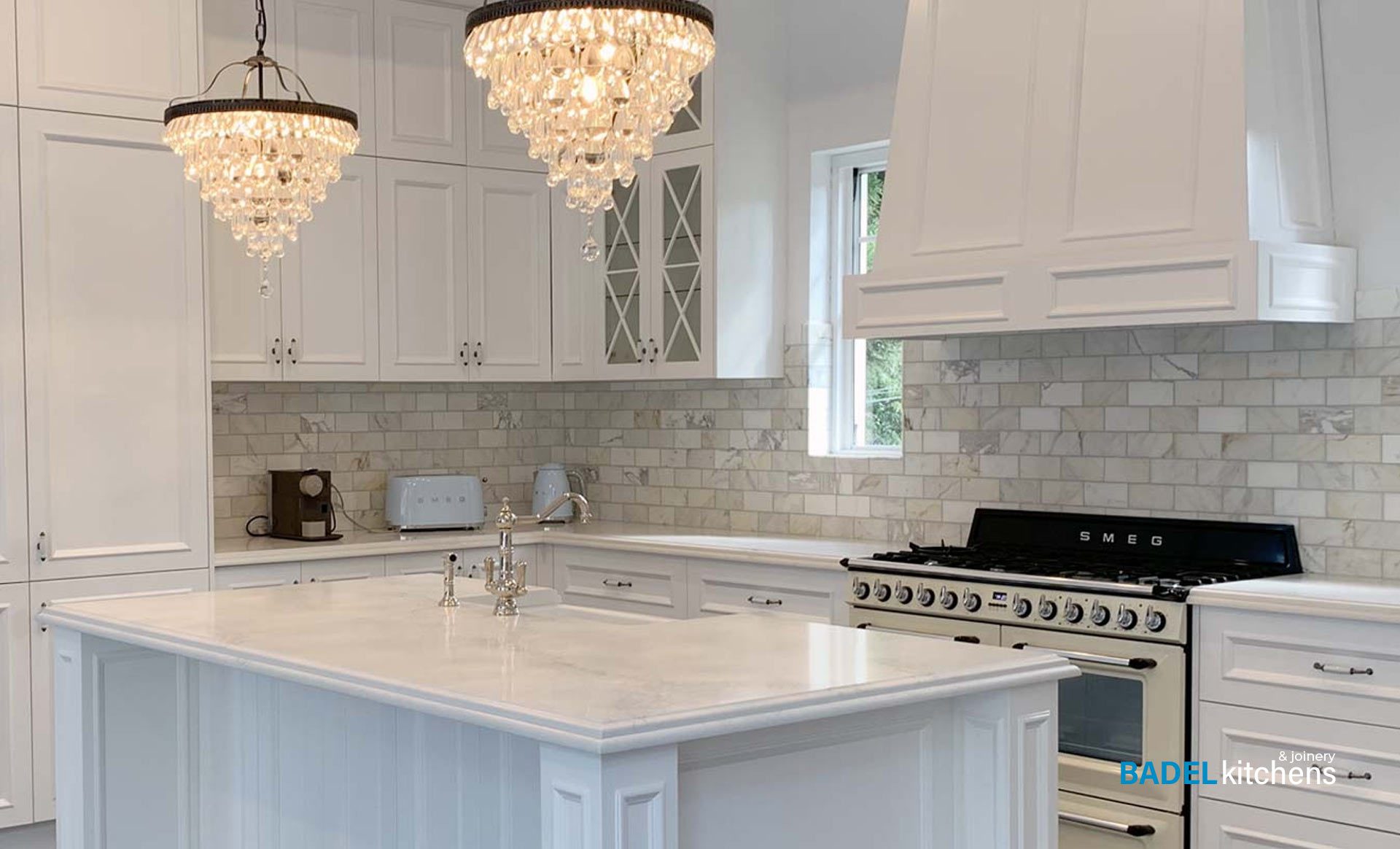
Credit: badelkitchens.com.au
Frequently Asked Questions
How Much Does A Kitchen Renovation Cost In Australia?
The cost of a kitchen renovation in Australia varies. Typically, it ranges from $10,000 to $45,000. The price depends on materials, appliances, and labour.
What Factors Affect Kitchen Renovation Costs?
Several factors affect kitchen renovation costs. These include the size of the kitchen, materials used, and labour costs. High-end appliances and finishes also increase the cost.
Are There Ways To Save On Kitchen Renovations?
Yes, there are ways to save on kitchen renovations. Opt for budget-friendly materials, reuse existing fixtures, and do some DIY work. Compare quotes from multiple contractors.
How Long Does A Kitchen Renovation Take?
A kitchen renovation usually takes between 4 to 8 weeks. The timeline depends on the project’s complexity and any unforeseen issues.
Conclusion
Improving your kitchen can be a wise investment. Costs in Australia vary. Budget carefully and consider your needs. Small updates can make a big difference. Research options and get multiple quotes. Plan well to avoid surprises. Your dream kitchen is within reach.
Happy renovating!