
A kitchen renovation typically takes 4-8 weeks. The duration depends on the project’s complexity and scope.
A kitchen renovation can be an exciting yet challenging project. Planning and preparation are essential to ensure a smooth process. Knowing the average timeline helps set realistic expectations. This timeline can vary based on factors like the size of the kitchen, the extent of the changes, and the availability of materials and contractors.
Smaller renovations may take less time, while larger, more complex projects could extend beyond the usual timeframe. Proper planning and communication with your contractor can help keep the project on track. Understanding the renovation process can help you prepare for temporary disruptions and ensure a successful transformation of your kitchen space.

Credit: kitchenandbathshop.com
Planning Phase
The planning phase is crucial for a kitchen renovation. It sets the foundation for the entire project. This phase involves several key steps, each important for a smooth renovation process. Let’s explore two essential components: Initial Consultations and Design Approval.
Initial Consultations
Initial consultations mark the beginning of your kitchen renovation journey. During these meetings, you will discuss your ideas and needs with professionals. It’s important to be clear about your budget and expectations.
Here are some key points to cover during initial consultations:
Budget: Define your budget to avoid overspending.
Timeline: Discuss the estimated project duration.
Style: Share your preferred kitchen styles and designs.
Functionality: Talk about your kitchen’s functional needs.
Design Approval
Design approval is a critical step. Once the initial consultations are done, the design phase begins. You will review and approve the proposed designs. This ensures the final layout meets your needs and style preferences.
Here are the key steps in the design approval process:
Review: Examine the proposed kitchen layout and design.
Feedback: Provide feedback and request changes if needed.
Final Approval: Approve the design to move forward with the project.
To make things clear, here is a summary in a table format:
Step | Description |
|---|---|
Review | Examine the proposed kitchen layout and design. |
Feedback | Provide feedback and request changes if needed. |
Final Approval | Approve the design to move forward with the project. |
Approving the design ensures that everyone is on the same page. This step helps avoid future misunderstandings or delays.
Budgeting And Financing
Embarking on a kitchen renovation journey can be both exciting and daunting. One of the critical aspects is Budgeting and Financing. Proper planning ensures your project stays on track without financial hiccups. This section delves into setting a budget and exploring financing options.
Setting A Budget
Creating a budget is the first step in your renovation process. Consider the following aspects to determine your budget:
Materials: Cabinets, countertops, and flooring can vary in cost.
Labor: Skilled labor costs depend on your location and project complexity.
Permits: Some renovations require permits, which come with fees.
Unexpected Costs: Always allocate 10-20% extra for unforeseen expenses.
A detailed budget helps avoid overspending and ensures you get the best value for your money.
Financing Options
Renovating a kitchen can be expensive, so exploring financing options is crucial. Here are some common methods:
Personal Savings: Using your savings can avoid interest costs.
Home Equity Loan: Borrow against your home’s equity at a lower interest rate.
Credit Cards: Ideal for smaller expenses but watch out for high-interest rates.
Personal Loans: Unsecured loans with fixed interest rates and repayment terms.
Each option has its pros and cons, so choose the one that best fits your financial situation. Proper financing ensures your kitchen renovation project proceeds smoothly.
Financing Option | Pros | Cons |
|---|---|---|
Personal Savings | No interest, immediate availability | Reduces emergency funds |
Home Equity Loan | Lower interest rates | Requires sufficient equity |
Credit Cards | Easy access | High-interest rates |
Personal Loans | Fixed terms and rates | May have higher interest rates |
Proper budgeting and financing can make your kitchen renovation an enjoyable experience. Plan well to avoid financial stress and achieve the kitchen of your dreams.
Choosing Materials
Choosing materials for your kitchen renovation affects the timeline. Picking the right materials ensures a smooth renovation process. Let’s explore key areas to focus on.
Cabinets And Countertops
Cabinets and countertops are core elements of your kitchen. The type of material chosen influences installation time.
Wood Cabinets: Solid wood takes longer to deliver and install.
Laminate Cabinets: Quicker to install and more cost-effective.
Granite Countertops: Custom-cut granite needs precise measurements and longer lead times.
Quartz Countertops: Easier to install but might have a similar timeline to granite.
Appliances And Fixtures
Choosing the right appliances and fixtures also affects the renovation timeline. Consider the following:
Built-in Appliances: These require custom cabinetry, extending the timeline.
Freestanding Appliances: Easier to install, reducing renovation time.
Lighting Fixtures: Simple fixtures can be installed quickly. Custom or complex designs take longer.
Choosing materials smartly can streamline your kitchen renovation. Make informed decisions to keep your project on track.
Hiring Professionals
Hiring professionals ensures your kitchen renovation goes smoothly and stays on track. Experts can bring your vision to life efficiently.
Finding Contractors
Start by asking friends and family for recommendations. Look for contractors with positive reviews online. Compare their previous work and check their credentials.
Ask for references
Verify their licenses
Check insurance coverage
Next, schedule meetings with potential contractors. Discuss your renovation plans in detail. Get a sense of their communication style and professionalism.
Signing Contracts
Once you find the right contractor, it’s time to sign a contract. A clear contract protects both parties. Ensure it includes:
Contract Element | Description |
|---|---|
Scope of Work | Detailed list of tasks and responsibilities |
Timeline | Start and end dates for the project |
Payment Schedule | Breakdown of costs and payment due dates |
Warranty | Guarantee of the work quality |
Read the contract carefully before signing. Ask questions if anything is unclear. Make sure you are comfortable with all terms.
Demolition Stage
The Demolition Stage is the first step in a kitchen renovation. This stage is crucial for creating a blank canvas for your new kitchen design. It involves tearing down old cabinets, countertops, and sometimes even walls. Let’s delve into this process in more detail.
Preparing The Space
Before the demolition begins, it’s essential to prepare the space. This involves removing all items from the kitchen, such as dishes, appliances, and decorations. You should also cover adjacent rooms and floors to protect them from dust and debris.
Remove all kitchen items
Cover adjacent rooms and floors
Turn off utilities (water, gas, electricity)
Clearing Debris
Once the demolition is complete, clearing debris is the next step. This involves removing all the broken materials from the site. Proper disposal is crucial to keep the area safe and clean.
Gather all debris in one place
Use heavy-duty bags for small pieces
Rent a dumpster for larger items
By following these steps, the demolition stage will be smooth and efficient. This sets the stage for the next phases of your kitchen renovation.

Credit: www.dreammaker-remodel.com
Construction Phase
The Construction Phase of a kitchen renovation is crucial. This phase transforms your plans into reality. It involves several steps, each essential for a successful renovation.
Framing And Plumbing
The first step in the Construction Phase is Framing and Plumbing. Framing sets up the structure. Walls, doors, and windows are framed. This step provides the skeleton of your kitchen.
Plumbing is also critical. Plumbers install pipes for water supply and drainage. They ensure that all plumbing fixtures are properly placed. This includes sinks, dishwashers, and refrigerators with water dispensers.
Task | Timeframe |
|---|---|
Framing | 2-3 days |
Plumbing | 1-2 days |
Electrical Work
Next is the Electrical Work. Electricians run wires and install outlets. This step ensures proper lighting and power. Your kitchen needs sufficient outlets for appliances.
Electricians also install circuit breakers. These protect your home from electrical overloads. Proper electrical work is vital for safety and functionality.
Install outlets and switches
Run electrical wiring
Set up circuit breakers
The Construction Phase is essential for a successful kitchen renovation. Framing, plumbing, and electrical work are key steps. Each step ensures your kitchen is safe and functional.
Installation Process
The installation process is a critical phase in any kitchen renovation. This phase involves setting up cabinets, appliances, and other essential elements. Proper installation ensures your kitchen is functional and beautiful.
Cabinet Installation
Cabinet installation is one of the first tasks. It usually takes around 3 to 5 days. The process includes:
Assembling the cabinets
Securing them to walls
Installing doors and hardware
Professionals ensure the cabinets are level and secure. This step lays the foundation for the rest of the kitchen setup.
Appliance Setup
Appliance setup follows cabinet installation. This step can take 1 to 2 days. Key tasks include:
Placing appliances in designated spots
Connecting electrical and plumbing lines
Testing each appliance
Experts ensure each appliance functions correctly. This phase brings your kitchen to life with modern conveniences.
Final Touches
The final touches in a kitchen renovation bring everything together. This phase includes detailed work like painting, tiling, and inspections. These steps ensure your kitchen looks perfect and functions well. Let’s dive into the specifics of the final touches.
Painting And Tiling
Painting and tiling add the finishing touches to your kitchen. Fresh paint on the walls brings a new vibe to the space. Choose colors that match your cabinets and countertops.
Painting: This step usually takes 1-2 days. Use high-quality paint for durability.
Tiling: Tiling the backsplash or floor can take 2-3 days. Ensure the tiles are set properly to avoid future issues.
Both painting and tiling need time to dry and set. Don’t rush this process.
Final Inspection
The final inspection ensures everything is in place and up to code. A professional will check for any issues or unfinished tasks. This step usually takes a few hours.
Inspection Task | Details |
|---|---|
Plumbing and Electrical | Ensure all pipes and wires are correctly installed. |
Appliance Check | Test all appliances to ensure they work properly. |
Safety Measures | Check for any safety hazards like loose tiles or exposed wires. |
After the inspection, your kitchen renovation is complete. You can now enjoy your new space.
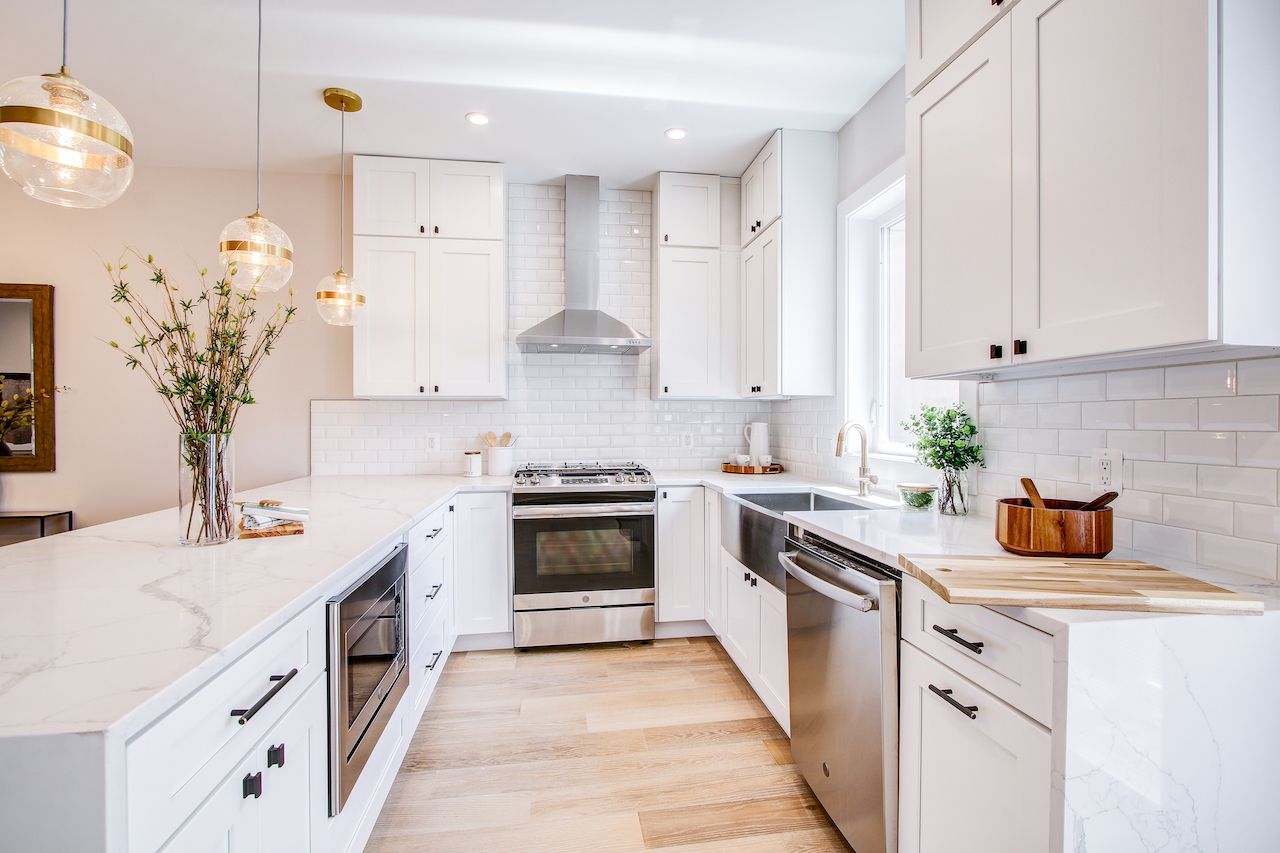
Credit: kitchenandbathshop.com
Frequently Asked Questions
How Long Does A Typical Kitchen Renovation Take?
A typical kitchen renovation takes about 6 to 12 weeks. This timeframe includes planning, demolition, installation, and finishing touches. Factors like project complexity and material availability can affect the duration.
What Factors Affect Kitchen Renovation Time?
Several factors affect renovation time, including project scope, kitchen size, and material availability. Custom designs and unforeseen issues can also extend the timeline. Proper planning can help mitigate delays.
Can A Kitchen Renovation Be Completed In A Month?
Yes, a minor kitchen renovation can be completed in 4 weeks. This usually involves cosmetic updates like painting, new fixtures, and minor repairs. More extensive renovations take longer.
How Can I Speed Up My Kitchen Renovation?
To speed up your renovation, plan meticulously and order materials in advance. Hire experienced contractors and stick to the original design. Avoid last-minute changes to keep the project on track.
Conclusion
Renovating a kitchen requires careful planning and patience. The timeline varies depending on project complexity. Proper preparation helps ensure a smooth renovation process. Consider hiring professionals for efficiency. Always remember, a well-executed kitchen renovation enhances your home’s value and functionality.
Start your renovation journey today and enjoy a beautiful, updated kitchen.