Converting a laundry room into a full bathroom is challenging but doable. It requires planning, budgeting, and understanding plumbing and electrical needs.
For many homeowners, the allure of an extra bathroom is hard to resist. But the task can seem overwhelming. Transforming a space designed for laundry into one suited for bathing involves more than just swapping appliances for fixtures. It demands a keen eye for design and a grasp of the technical aspects involved.
From understanding the structural changes to ensuring proper ventilation, the process is multi-faceted. Yet, with the right approach, it’s possible to create a functional and stylish bathroom. In this post, we’ll explore the challenges and considerations, helping you decide if this transformation is right for you.
Evaluating Space Requirements
Converting a laundry room into a full bathroom requires careful planning. The first step is understanding the space needed for bathroom essentials. This ensures a functional and comfortable layout. Evaluating space requirements helps you decide if your laundry room can accommodate a full bathroom. Let’s explore key factors in assessing the space.
Assessing Dimensions
Start by measuring your laundry room. Record the length, width, and height. This provides a clear idea of the available space. Compare these measurements with standard bathroom dimensions. A full bathroom typically needs at least 36 square feet. This includes space for a shower or bathtub, toilet, and sink. Consider the layout of existing plumbing and electrical systems. They impact the feasibility of the conversion.
Ensuring Accessibility
Accessibility is vital for a functional bathroom. Ensure doorways are wide enough for easy entry. A standard doorway should be at least 32 inches wide. Consider the placement of fixtures for comfortable use. Leave enough space around the toilet and sink for movement. If possible, incorporate universal design features. These include grab bars and a walk-in shower. Such features enhance safety and convenience for all users.
Plumbing Challenges
Transforming a laundry room into a full bathroom presents complex plumbing challenges. Such a project demands intricate planning and skilled workmanship. Proper drainage, ventilation, and space optimization are key considerations for success.
Converting a laundry room into a full bathroom can be a rewarding yet challenging endeavor. One of the most significant hurdles you’ll face is the plumbing challenges. Unlike a laundry room, a bathroom requires more intricate plumbing systems to accommodate fixtures like toilets, sinks, and showers. Addressing these plumbing issues effectively can be the difference between a smooth transformation and a costly renovation nightmare. So, how do you tackle the complexities of plumbing in this conversion?
Relocating Water Lines
Relocating water lines is a crucial aspect of transforming your laundry room into a bathroom. You’ll need to ensure that water supply lines are positioned correctly to serve the new fixtures. During a renovation I undertook, I discovered that the existing water lines in the laundry room were not adequate for a bathroom setup. They were too narrow and incorrectly placed. You’ll likely face similar issues. Replacing and rerouting these lines can be labor-intensive and require precise measurements. The choice of materials matters too. Opt for durable pipes that can withstand high water pressure, ensuring longevity. Would you rather have a professional handle this, or do you trust your DIY skills?
Managing Drainage Systems
Managing drainage systems is another key challenge. Bathrooms need efficient drainage for wastewater from sinks, toilets, and showers. Proper drainage prevents water from pooling and causing damage. A friend once attempted to convert their laundry room but ran into significant drainage issues. The existing system was too shallow, leading to frequent blockages. To avoid such pitfalls, assess the current drainage system thoroughly. You might need to dig deeper or install new pipes to accommodate the increased water flow. Consider the slope and direction to ensure water flows smoothly away from your home. Does your current drainage system meet these requirements, or is a major overhaul necessary? These plumbing challenges can seem daunting, but with careful planning, they are manageable. Remember, the goal is to create a functional and comfortable bathroom space. Are you ready to dive into this transformation?
Electrical Considerations
Transforming a laundry room into a full bathroom involves complex electrical work. Ensuring proper wiring and outlets is crucial. Safety standards must be met to prevent hazards.
Converting a laundry room into a full bathroom can be a rewarding project, but it comes with its own set of challenges, especially when it comes to electrical considerations. Safety is paramount, and understanding the electrical needs is crucial for a successful transformation. Proper planning will not only ensure functionality but also keep everything up to code and safe for daily use. ###
Lighting Needs
Lighting is more than just a practical element; it sets the mood and enhances the bathroom’s overall design. Consider the type of lighting you desire—ambient, task, or accent lighting. Ambient lighting provides general illumination, task lighting is essential near mirrors for grooming, and accent lighting highlights architectural features. Think about energy-efficient options like LED fixtures. They not only save on electricity bills but also last longer. You might also want to install dimmer switches to control the lighting intensity, allowing you to create a relaxing atmosphere after a long day. ###
Power Outlets Installation
Power outlets are indispensable in a bathroom, especially if you use electric grooming tools or hairdryers. The placement and number of outlets need careful consideration. Ensure they are installed at a safe distance from water sources to avoid any hazards. Ground Fault Circuit Interrupters (GFCIs) are a must in bathrooms to prevent electrical shocks. These outlets cut power instantly if they detect a leak in the electrical current, providing an added layer of safety.
Remember, hiring a licensed electrician to handle this aspect can save you from potential headaches and ensure the job is done correctly. Have you ever thought about how much you rely on outlets in your bathroom? The convenience they offer can make or break your daily routine. Prioritize safety and functionality when planning where to place them, and you’ll thank yourself every time you plug in your toothbrush or shaver.
Ventilation Solutions
Converting a laundry room into a full bathroom presents unique challenges. Ventilation is crucial in this transformation. Proper airflow prevents mold and maintains air quality. Effective ventilation ensures comfort and safety. Let’s explore two key solutions.
Installing Exhaust Fans
Exhaust fans are essential in a bathroom. They remove moisture and odors. Choose a fan with the right capacity. Measure your bathroom’s size first. A fan that’s too small won’t work well. Install the fan near the shower or tub. It should vent outside. Not into the attic. This prevents moisture buildup. Check local building codes for guidance. Some areas have specific requirements. Follow them closely for safety.
Addressing Humidity Control
Humidity control is vital in a bathroom. High humidity leads to mold. Use a dehumidifier if needed. It helps manage excess moisture. Choose a unit that fits your space. Proper placement is important too. Locate it away from water sources. This ensures efficiency. Regularly check humidity levels. Keep them below 50% for comfort. Use a hygrometer for accuracy. Maintaining these levels improves air quality. It also protects your bathroom fixtures.
Structural Modifications
Converting a laundry room into a full bathroom involves significant changes. Structural modifications play a crucial role in this transformation. They ensure the new space is functional and safe. This process requires careful planning and expert execution. Understanding the structural needs is essential for success.
Wall Adjustments
Walls in a laundry room may not suit a bathroom’s needs. Adjustments might include adding new walls or removing existing ones. This creates space for a shower, toilet, and sink. Proper framing ensures walls can support fixtures and plumbing. Insulation is essential for soundproofing and temperature control. Waterproofing is also crucial to prevent moisture damage.
Floor Reinforcements
Bathroom floors require different support than laundry rooms. Reinforcements might be necessary to handle additional weight. Heavy fixtures like bathtubs need strong support. Moisture-resistant flooring materials are important. Proper drainage systems must be installed. This prevents water accumulation and potential damage. Reinforced floors ensure longevity and safety in your new bathroom.
Fixture Selection
Transforming a laundry room into a full bathroom requires careful planning. One major aspect is fixture selection. Choosing the right fixtures can enhance the bathroom’s functionality and style. It also plays a crucial role in optimizing space and ensuring comfort.
Choosing Toilets And Sinks
Toilets come in various designs and sizes. Compact models save space but can affect comfort. Consider water-efficient toilets to reduce water bills. Sinks vary from pedestal to wall-mounted styles. Wall-mounted sinks maximize floor space. Pedestal sinks offer a classic look, ideal for small bathrooms.
Selecting Showers And Bathtubs
Shower and bathtub choices are vast. Walk-in showers are perfect for small spaces. They offer easy access and modern appeal. Bathtubs require more room, but offer relaxation. Choose a tub if space allows. Consider a shower-tub combo for versatility. This option provides both quick showers and long soaks.
Cost Estimation
Transforming a laundry room into a bathroom involves careful planning and budgeting. Plumbing, electrical work, and space limitations can complicate the process. Accurate cost estimation ensures you manage expenses without surprises.
Converting a laundry room into a full bathroom is an exciting home renovation project. However, it requires a clear understanding of cost estimation. Knowing the expenses involved helps you plan effectively and avoid any financial surprises. Are you ready to discover what it takes? Let’s dive into the material expenses and labor costs.
Material Expenses
Transforming your laundry room into a bathroom demands specific materials. Start with plumbing fixtures like sinks, toilets, and showers. These can range from budget-friendly options to high-end selections. Tiles and flooring are another essential component. You might be surprised to learn that durable tiles can be both stylish and affordable. Don’t forget about waterproofing materials to prevent moisture damage. Consider cabinetry and storage solutions. You can find a wide variety of prices depending on the design and materials. Lighting fixtures and mirrors also play a role in the overall cost. They can enhance the functionality and aesthetics of your new bathroom.
Labor Costs
Hiring professionals for this conversion is critical. Skilled plumbers and electricians ensure that your bathroom functions safely and efficiently. Their expertise comes at a cost, but it’s worth investing in quality workmanship. Contractors or builders will handle the structural changes. This might include moving walls or installing new doors. Their labor costs can vary based on the complexity of the project and the duration. You might be tempted to DIY some tasks, but consider the time and effort involved. Sometimes, paying a bit more for professional services saves you from costly mistakes. Are you willing to trade time for money, or do you prefer peace of mind? Understanding these costs helps you set a realistic budget and make informed choices. How will you balance quality with affordability in your bathroom transformation?
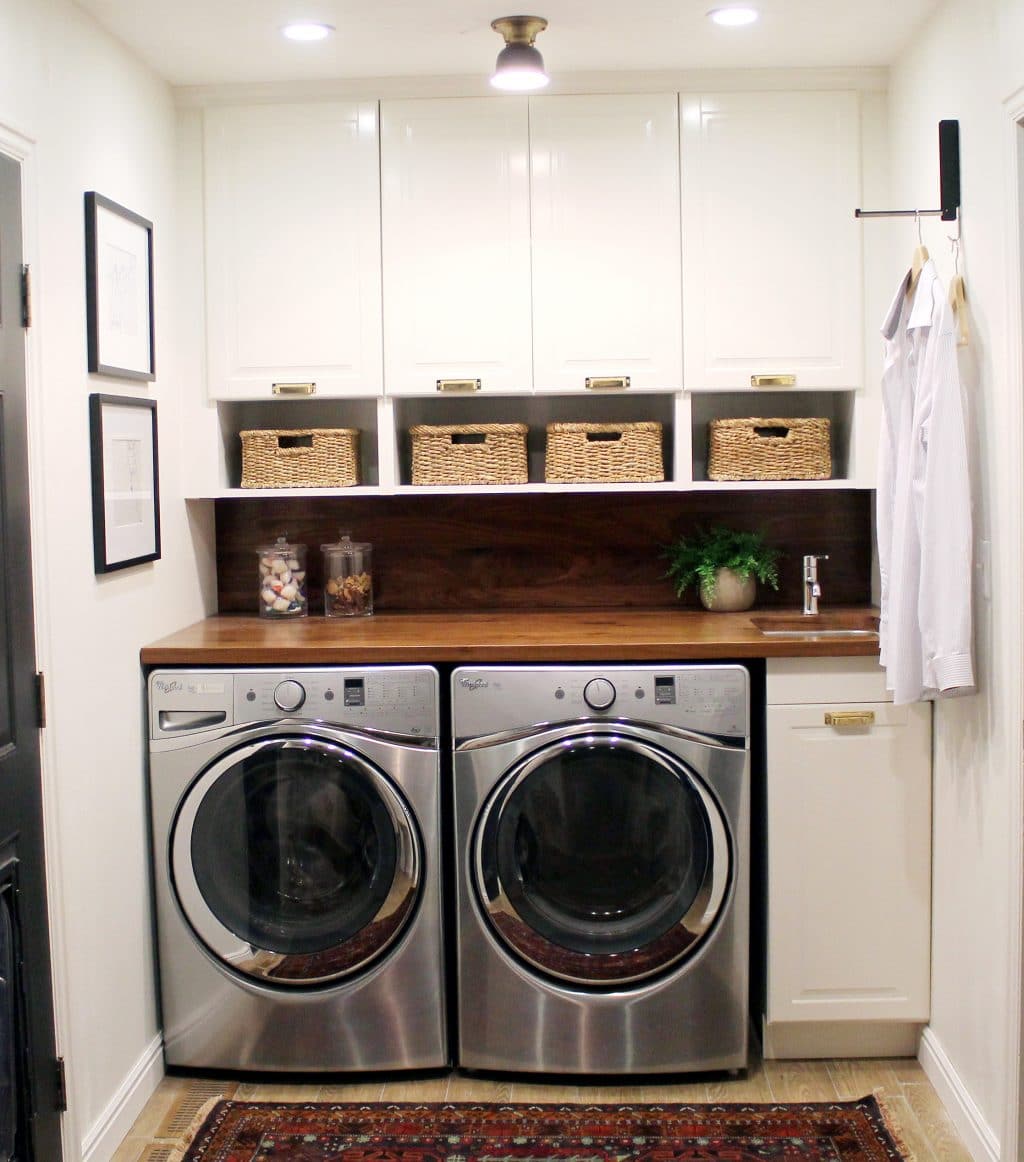
Credit: chrislovesjulia.com
Permits And Regulations
Transforming a laundry room into a full bathroom requires understanding permits and regulations. Local codes dictate plumbing, electrical, and structural changes. Consulting with professionals ensures compliance and a smoother renovation process.
Converting a laundry room into a full bathroom can be a rewarding project, but it comes with its own set of challenges, particularly when navigating permits and regulations. Understanding the legal requirements is crucial to avoid potential roadblocks. Without the proper approvals, you might face fines or be required to undo your work. So, how do you ensure everything is above board?
Understanding Local Codes
Every locality has specific building codes that you need to follow. These codes ensure that your new bathroom is safe and functional. Start by visiting your local building department or their website. They can provide you with a list of requirements for plumbing, electrical systems, and ventilation. Some regions might have strict rules about the size of the bathroom or the types of fixtures you can install. Knowing these details upfront can save you time and money. Ask yourself: Have you checked if your project complies with these local codes? This step is crucial to avoid costly mistakes.
Securing Necessary Approvals
Once you understand the local codes, the next step is to secure the necessary permits. This might include permits for plumbing, electrical work, and structural changes. It’s a good idea to discuss your plans with a professional who can guide you through the permit application process. A contractor or architect often knows what specific permits are needed and can help expedite the process. Imagine starting your renovation only to be halted by a missing permit. Taking the time to secure these approvals can prevent such setbacks. Remember, each permit ensures that your project meets safety standards. Wouldn’t you want the peace of mind knowing your new bathroom is both beautiful and compliant? Engage with your local community. Sometimes neighbors who have undertaken similar projects can offer insights or recommend reliable professionals.
By understanding and adhering to these permits and regulations, you can transform your laundry room into a functional and stylish bathroom without any legal hitches.
Hiring Professionals
Transforming a laundry room into a full bathroom can be challenging. It requires plumbing adjustments, permits, and design changes. Hiring professionals ensures efficient completion, saving time and reducing stress.
Converting a laundry room into a full bathroom is a project that can breathe new life into your home, adding both functionality and value. But how do you ensure the transformation goes smoothly? Hiring professionals is often the key to success. Their expertise can help you navigate the complexities of plumbing, electrical work, and design aesthetics, transforming your vision into reality with precision and efficiency.
Finding Qualified Contractors
Finding the right contractor is crucial. You want someone with experience in bathroom conversions, not just general remodeling. Look for contractors with a portfolio of similar projects. This shows they know how to handle specific challenges, such as rerouting plumbing or optimizing space. Ask for recommendations from friends or online reviews. A contractor’s reputation can tell you a lot about their reliability and quality of work.
Working With Designers
Designers can elevate your project from functional to fabulous. They bring a fresh perspective and creative solutions that you might not have considered. Consider a designer who specializes in small spaces. They can maximize every inch, ensuring your new bathroom is both stylish and efficient. Discuss your vision openly. A good designer will listen to your needs and preferences, then tailor their plans to reflect your personal style. Hiring professionals might seem like a daunting task, but with the right team, your laundry room can transform into a beautifully crafted bathroom. Have you thought about what features matter most to you in this new space?
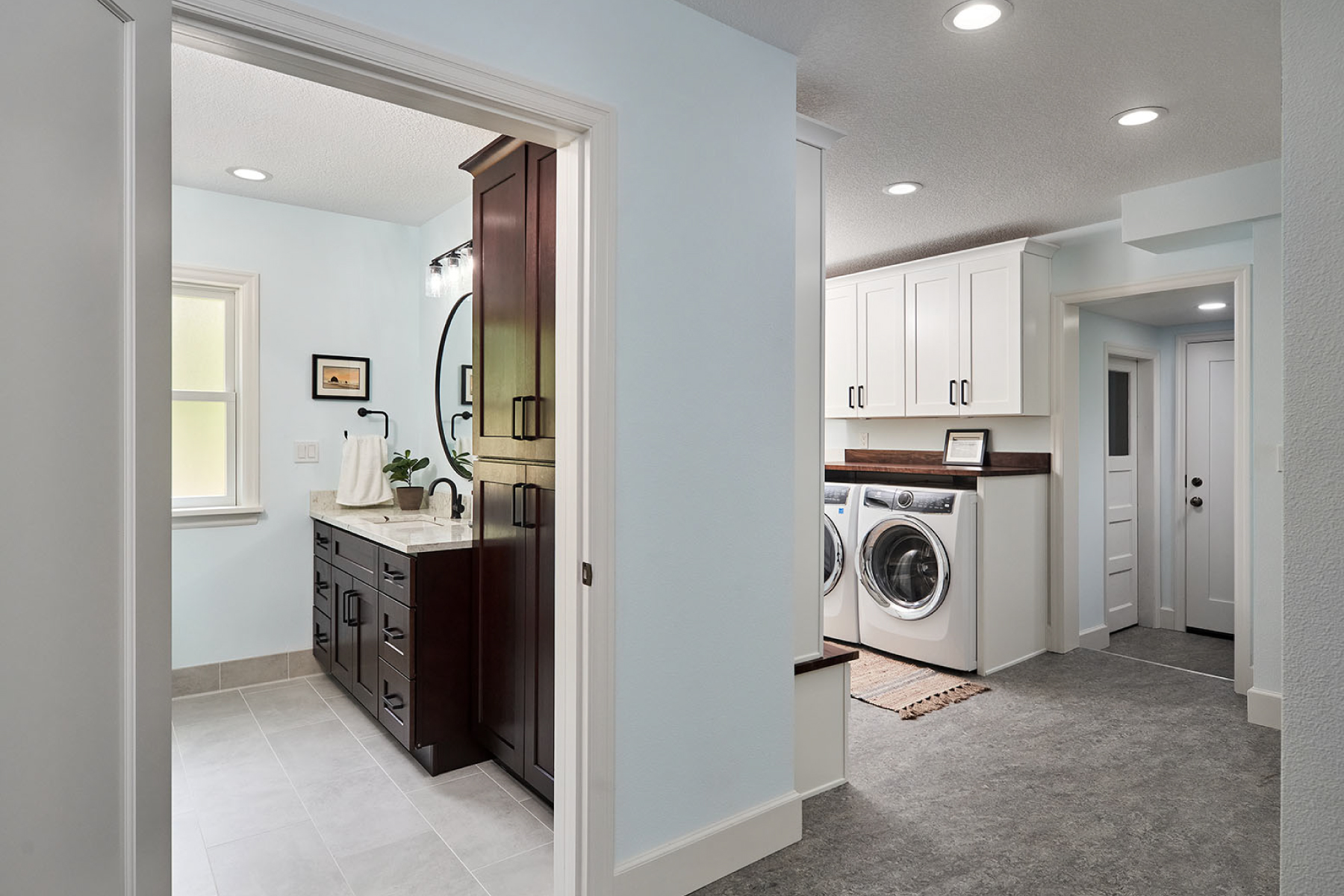
Credit: www.neilkelly.com
Diy Vs. Professional Conversion
Transforming a laundry room into a full bathroom involves plumbing, electrical work, and design changes. DIY enthusiasts may face challenges with permits and technical skills. Professional help ensures compliance and efficiency, but costs more.
Converting a laundry room into a full bathroom is an exciting project that can add value to your home. But deciding whether to tackle it yourself or hire professionals can be challenging. Each option has its unique advantages and drawbacks, and understanding these can guide your decision.
Pros And Cons Of Diy
Taking the DIY route can be rewarding, especially if you relish hands-on projects. You gain the freedom to work at your own pace, adjusting plans as needed. Plus, there’s the potential to save money on labor costs. However, DIY conversions demand a significant time investment and a broad skill set. Plumbing and electrical work require precision and adherence to local codes. Mistakes here can lead to costly repairs down the road. Consider your comfort level with tools and your willingness to learn. Have you tackled similar projects before, or is this uncharted territory? Weighing these questions can help you decide if a DIY approach is right for you.
Benefits Of Hiring Experts
Hiring professionals provides peace of mind. Experts bring experience and technical know-how, ensuring the job is done efficiently and correctly. This minimizes the risk of errors and ensures compliance with building regulations. Professionals can also save you time and stress. They handle everything from planning to execution, allowing you to focus on other priorities. This is particularly beneficial if your schedule is tight or if the project scope is complex. Moreover, professional contractors often offer warranties on their work, providing added security. If something goes wrong, you have the assurance of professional support. Wouldn’t you prefer that safety net over potential DIY mishaps? Ultimately, the choice between DIY and hiring professionals depends on your skills, budget, and time availability. Evaluate your priorities and resources to make an informed decision. What matters more to you: saving costs or saving time and stress?
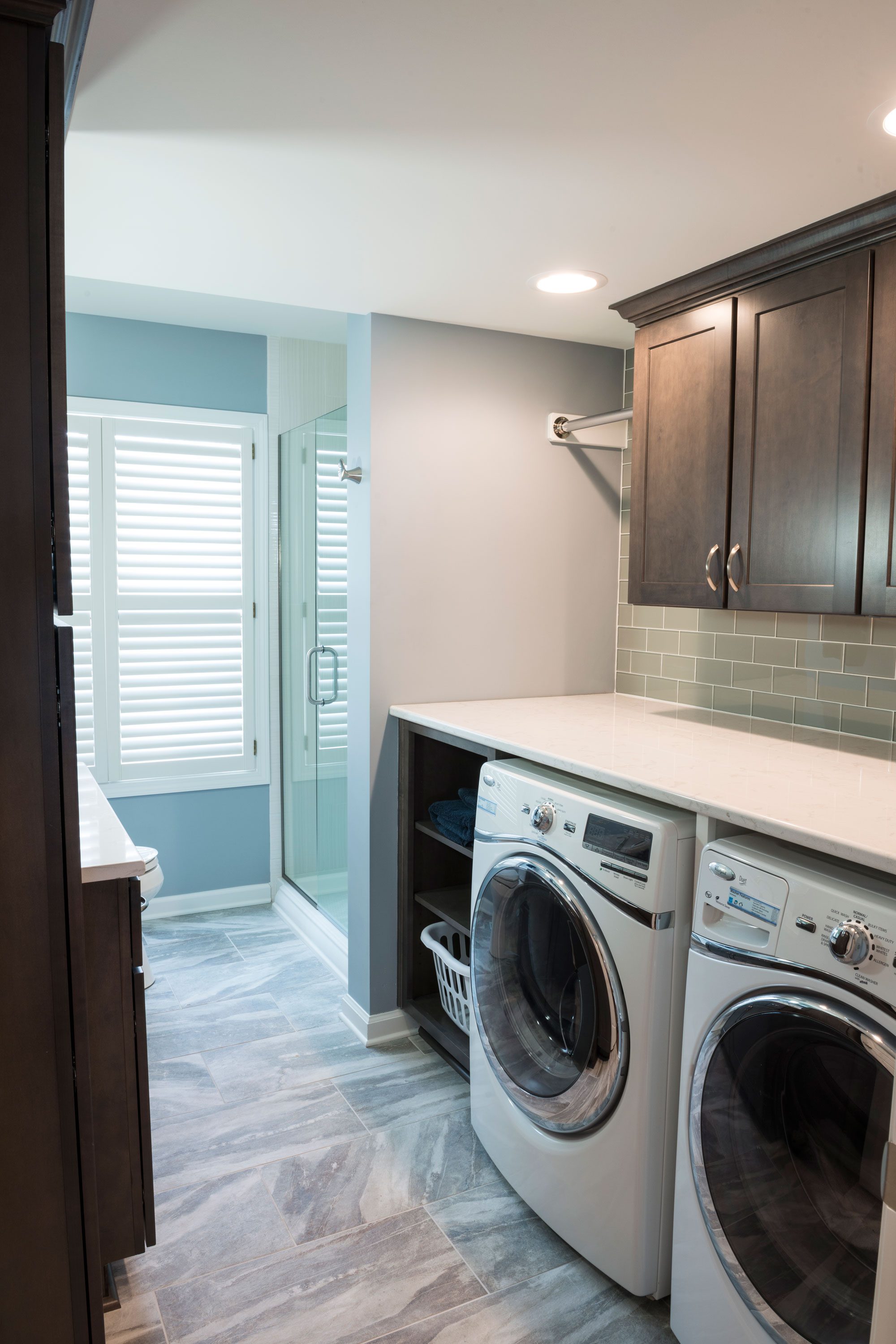
Credit: worthingtonindy.com
Frequently Asked Questions
How Hard Is It To Turn A Laundry Room Into A Bathroom?
Transforming a laundry room into a bathroom requires plumbing, electrical work, and permits. It can be challenging but feasible. Hiring professionals ensures safety and compliance. Consider space, layout, and budget before starting. Proper planning minimizes complications and maximizes efficiency. It’s important to assess existing infrastructure for compatibility with bathroom fixtures.
How Much Does It Cost To Convert A Laundry Room To A Full Bathroom?
Converting a laundry room to a full bathroom costs between $5,000 and $25,000. Costs vary based on size, materials, and labor. Budget for plumbing, electrical work, fixtures, and permits. For accurate estimates, consult local contractors.
How Much Does It Cost To Convert A Room Into A Bathroom?
Converting a room into a bathroom typically costs between $5,000 to $25,000. Factors like plumbing, fixtures, and finishes influence the total cost. Budgeting for unexpected expenses is essential. Always consult professionals for accurate estimates.
Do You Need Planning Permission To Change A Room Into A Bathroom?
You may need planning permission if converting a room into a bathroom alters the building’s external appearance. Always check local regulations and consult authorities for guidance. Certain plumbing or structural changes might require approval. Ensure compliance with building codes to avoid future issues.
Conclusion
Converting a laundry room into a bathroom involves careful planning. Consider plumbing, electrical, and space constraints. Costs vary based on materials and labor. Hiring professionals can ease the process. Ensure permits are obtained for renovations. Transforming a laundry room can boost home value.
It provides extra convenience for family and guests. Explore design options that fit your style. Assess your budget and timeline. A successful conversion requires patience and research. With proper planning, you can achieve your bathroom transformation. Enjoy the enhanced functionality and comfort in your home.