
Yes, bathroom renovations typically include plumbing work. This involves updating or replacing pipes, fixtures, and fittings.
Bathroom renovations can significantly improve both the functionality and aesthetics of your space. Plumbing is a crucial part of this process, ensuring that your bathroom operates efficiently and safely. Plumbers can install new sinks, toilets, showers, and bathtubs, as well as update old pipes.
Proper plumbing work prevents future issues like leaks or water damage. Renovating your bathroom with updated plumbing not only enhances comfort but also increases your home’s value. Whether you aim for a complete overhaul or minor upgrades, professional plumbing services are essential. Investing in quality plumbing ensures your bathroom renovation is both beautiful and reliable.

Introduction To Bathroom Renovations
Bathroom renovations can transform your home. They make your bathroom more functional and stylish. Many homeowners wonder if these renovations include plumbing. This blog post explores key aspects of bathroom renovations.
Why Renovate Your Bathroom?
Renovating your bathroom has several benefits. Here are some reasons why you should consider it:
Increase property value: A modern bathroom can boost your home’s value.
Improve functionality: Better layout and storage make your bathroom more user-friendly.
Enhance aesthetics: New fixtures and tiles can make your bathroom look stunning.
Fix existing issues: Address problems like leaks, mold, or outdated plumbing.
Key Elements Of A Bathroom Renovation
A bathroom renovation involves several key elements. These elements help create a functional and beautiful space:
Plumbing: Upgrading pipes, faucets, and drains ensures proper water flow.
Electrical: Adding new lighting and outlets enhances safety and convenience.
Fixtures: Installing new sinks, toilets, and bathtubs improves usability.
Tiles and flooring: New tiles and flooring add style and durability.
Storage solutions: Cabinets and shelves keep the bathroom organized.
Element | Description |
|---|---|
Plumbing | Includes pipes, faucets, and drains. |
Electrical | Involves lighting, outlets, and switches. |
Fixtures | New sinks, toilets, and bathtubs. |
Tiles and flooring | Modern tiles and durable flooring. |
Storage solutions | Cabinets, shelves, and organizers. |
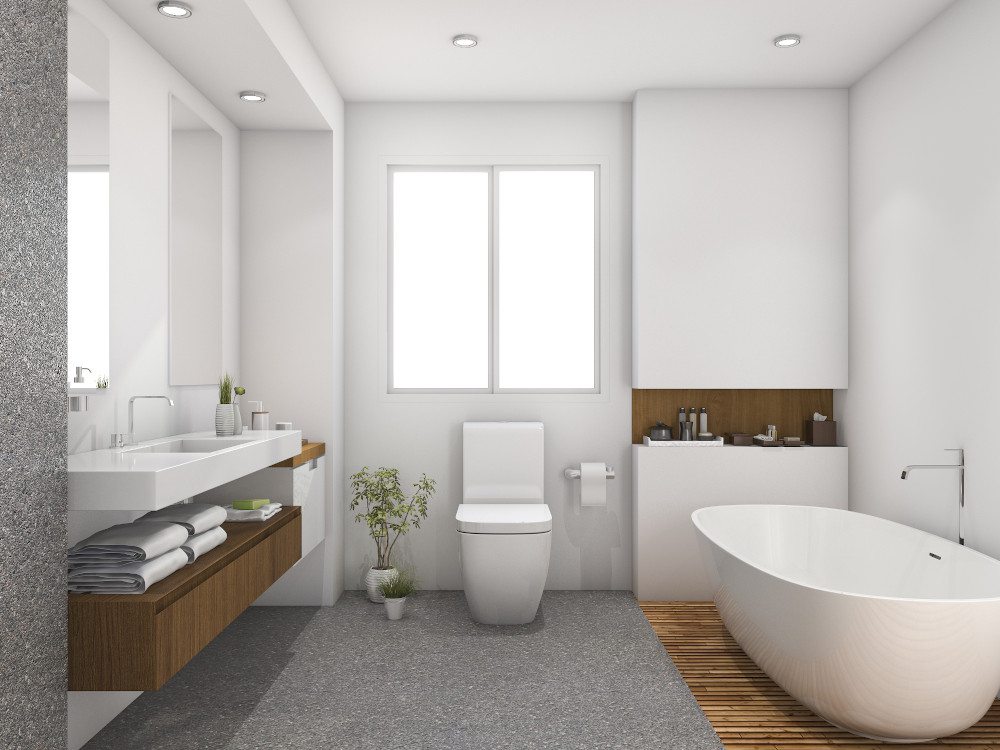
Credit: www.stsplumbing.com.au
Scope Of Bathroom Renovations
Bathroom renovations vary in scope. Some changes are simple; some are complex. The scope includes cosmetic upgrades and structural changes. Below are detailed insights.
Cosmetic Upgrades
Cosmetic upgrades improve the look of your bathroom. These changes are often quick and affordable.
Common cosmetic upgrades include:
Painting walls
Replacing tiles
Updating fixtures
Installing new mirrors
Changing lighting
Cosmetic upgrades do not usually involve plumbing. They focus on aesthetics.
Structural Changes
Structural changes are more extensive. They often require professional help. These changes improve the bathroom’s function.
Examples of structural changes:
Moving walls
Adding new plumbing
Changing the layout
Installing new bathtubs
Reworking electrical systems
Structural changes often include plumbing work. This ensures all fixtures work correctly.
Plumbing In Bathroom Renovations
Bathroom renovations often include more than just new tiles and fixtures. Plumbing is a crucial part of any bathroom makeover. Without updating the plumbing, your new bathroom might face future issues. This section will cover the common plumbing tasks and why plumbing is essential for bathroom renovations.
Common Plumbing Tasks
Several plumbing tasks are common in bathroom renovations. These tasks ensure your bathroom functions well and remains safe. Here are some typical plumbing tasks:
Replacing old pipes: Old pipes can leak and cause damage.
Installing new fixtures: New sinks, toilets, and showers need proper connections.
Upgrading water lines: Ensure adequate water pressure for all fixtures.
Fixing drainage issues: Proper drainage prevents water pooling and damage.
Adding shut-off valves: These allow easy maintenance and emergency repairs.
Why Plumbing Is Essential
Plumbing is essential in bathroom renovations for many reasons. First, it ensures the safety and functionality of your bathroom. Proper plumbing prevents leaks and water damage. Second, it improves the efficiency of water usage. Efficient plumbing systems reduce water waste.
Another reason is the value it adds to your home. A well-plumbed bathroom increases property value. Potential buyers prefer updated plumbing systems. Lastly, modern plumbing systems are eco-friendly. They help conserve water and reduce utility bills.
Plumbing Task | Importance |
|---|---|
Replacing old pipes | Prevents leaks and damage |
Installing new fixtures | Ensures proper connections |
Upgrading water lines | Maintains adequate water pressure |
Fixing drainage issues | Prevents water pooling |
Adding shut-off valves | Allows easy maintenance |
In summary, plumbing is a vital component of bathroom renovations. It ensures safety, efficiency, value, and eco-friendliness.
Costs Involved In Plumbing
Bathroom renovations often include plumbing work. It’s important to understand the costs involved in plumbing. This helps in budgeting and planning. Let’s break down these costs into labor and material expenses.
Labor Costs
Labor costs vary based on the complexity of the job. Simple tasks like replacing a faucet are cheaper. Complex tasks like relocating pipes cost more.
Professional plumbers charge an hourly rate. This rate ranges from $50 to $150 per hour. Emergency services cost more.
Here’s a quick overview:
Task | Estimated Hours | Cost Range |
|---|---|---|
Replacing a faucet | 1-2 hours | $50-$300 |
Installing a new toilet | 2-4 hours | $100-$600 |
Relocating pipes | 6-8 hours | $300-$1200 |
Material Costs
Material costs depend on the type and quality of materials used. Basic materials are cheaper. High-end materials cost more. Here are some examples:
Pipes: Copper pipes are more expensive than PVC pipes.
Fittings: Brass fittings cost more than plastic ones.
Fixtures: High-end fixtures, like designer faucets, cost more.
Here’s a comparison of material costs:
Material | Cost Range |
|---|---|
PVC Pipes (per foot) | $0.50 – $1.50 |
Copper Pipes (per foot) | $2.00 – $5.00 |
Basic Faucet | $50 – $150 |
Designer Faucet | $200 – $600 |
Hiring A Professional Vs. Diy
Renovating a bathroom is an exciting project. One important question is whether to hire a professional or tackle the project yourself. This decision is crucial, especially when it involves plumbing. Below, we explore the benefits of hiring a professional and the challenges of DIY plumbing.
Benefits Of Hiring A Professional
Hiring a professional plumber offers several advantages:
Expertise: Professionals have extensive training and experience. They know the best practices for plumbing work.
Time-Saving: A professional can complete tasks quickly and efficiently. This saves you time and stress.
Quality Work: Professionals ensure high-quality work. This reduces the risk of future problems.
Warranty: Many professionals offer warranties on their work. This provides peace of mind.
Safety: Professionals follow safety protocols. This prevents accidents and damage.
Challenges Of Diy Plumbing
Tackling plumbing tasks on your own can be daunting:
Lack of Experience: Most homeowners lack the experience needed for plumbing tasks. This can lead to mistakes.
Time-Consuming: DIY projects often take longer. You may face unexpected issues.
Quality Concerns: Without proper skills, the quality of work may suffer. This can lead to costly repairs.
Tools and Equipment: Plumbing requires specific tools. These can be expensive to purchase or rent.
Safety Risks: Handling plumbing tasks without proper knowledge can be risky. You might cause accidents or further damage.
Permits And Regulations
Undertaking a bathroom renovation is a significant project that often involves more than just cosmetic changes. One crucial aspect that many homeowners may overlook is the need for proper permits and regulations. Understanding these requirements can save you time, money, and potential legal issues down the line.
When Permits Are Required
Most bathroom renovations will require a permit, especially if they involve plumbing changes. This includes moving or adding new fixtures like sinks, toilets, and showers. Permits ensure that the work complies with local building codes and standards.
Changing the layout of the bathroom
Installing new plumbing lines
Adding electrical outlets or lighting
Even simple changes can require permits. Always check with your local authorities.
Understanding Local Codes
Every city and state has its own set of building codes that must be followed. These codes are designed to ensure safety and efficiency. Familiarizing yourself with these regulations can help you plan your renovation more effectively.
Local codes often cover:
Minimum ceiling height
Ventilation requirements
Accessibility standards
Consulting with a professional can help you navigate these rules and avoid costly mistakes.
Understanding permits and local codes is essential for a successful bathroom renovation. Ignoring these aspects can lead to fines and delays. Always make sure you are compliant with all regulations.
Plumbing Upgrades To Consider
Bathroom renovations often include plumbing updates. These upgrades can improve efficiency and add modern features. Consider these essential plumbing upgrades for your bathroom.
Energy-efficient Fixtures
Energy-efficient fixtures save water and reduce bills. Opt for low-flow toilets and showerheads. These fixtures use less water but maintain pressure.
Install sensor faucets to prevent water waste. They activate only when needed. This is ideal for families with kids. Choose dual-flush toilets for better control over water use.
Modern Plumbing Solutions
Modern plumbing solutions offer smart technology. Try tankless water heaters for instant hot water. They save space and energy. Upgrade to PEX piping for durability and flexibility.
Consider a smart shower system. It allows you to control water temperature and flow with a touch. This brings convenience to your daily routine. Use water-saving aerators on faucets for further efficiency.
Upgrade | Benefits |
|---|---|
Low-Flow Toilets | Reduce water usage |
Tankless Water Heaters | Provide instant hot water |
Sensor Faucets | Prevent water waste |
Low-flow showerheads maintain pressure with less water.
Dual-flush toilets offer water use control.
PEX piping is durable and flexible.
Install energy-efficient fixtures to save water.
Upgrade to modern plumbing solutions for convenience.

Credit: wattersplumbing.com
Tips For A Successful Renovation
Renovating a bathroom is a significant task. It often includes plumbing work. Planning ahead and choosing the right contractor are key. These tips will help you ensure a smooth renovation process.
Planning Ahead
Planning ahead can save you time and money. Start by setting a clear budget. Know what you can afford. Make a list of your needs and wants. This helps you prioritize.
Consider the plumbing work needed. Will you move any fixtures? Discuss this with a professional. They can guide you on what is possible. This avoids surprises later.
Set a Budget: Know your financial limits.
List Needs and Wants: Prioritize essential tasks.
Consult Professionals: Get advice on plumbing changes.
Choosing The Right Contractor
Choosing the right contractor is crucial. Look for experienced professionals. Check their reviews and ratings. A good contractor will manage the plumbing work well.
Ask for quotes from multiple contractors. Compare their prices and services. Ensure they are licensed and insured. This protects you from potential issues.
Check Reviews: Read feedback from previous clients.
Get Multiple Quotes: Compare prices and services.
Verify Credentials: Ensure they are licensed and insured.
Clear communication is key. Make sure your contractor understands your vision. Regular updates keep everyone on the same page. This leads to a successful renovation.
Frequently Asked Questions
Do Bathroom Renovations Include Plumbing?
Yes, bathroom renovations typically involve plumbing. This can include updating fixtures, replacing pipes, or reconfiguring the layout.
What Plumbing Work Is Needed For Bathroom Renovation?
Plumbing work can include installing new pipes, fixtures, and drains. It may also involve moving existing plumbing to fit the new design.
How Much Does Plumbing Cost In A Bathroom Renovation?
Plumbing costs vary based on complexity and materials. On average, expect to pay between $1,000 and $5,000.
Can I Renovate My Bathroom Without Changing Plumbing?
Yes, you can renovate without changing plumbing. However, this limits the scope of your redesign and fixture placement.
Conclusion
Bathroom renovations often include plumbing updates. Addressing plumbing ensures functional and long-lasting improvements. Consulting professionals can help. Proper planning and execution are key. Make informed choices for a successful renovation. Enjoy the benefits of a modern, efficient bathroom space.