
The standard kitchen bench height in Australia is 900mm. This height ensures comfort and functionality for most users.
Kitchen design is crucial for both aesthetics and functionality. One key aspect is the bench height. In Australia, the standard height of 900mm suits most people, making meal preparation and other tasks easier. This height ensures that users can work comfortably without straining their backs.
Proper bench height is essential for an ergonomic kitchen, contributing to overall kitchen efficiency. Choosing the right bench height also enhances the kitchen’s visual appeal, creating a harmonious look. When planning a kitchen renovation or new build, considering the standard bench height can make a significant difference in usability and comfort.

Credit: www.microcapacitacion.com.ar
Standard Measurements
The height of your kitchen bench matters. It affects comfort and functionality. This section explains the standard kitchen bench height in Australia.
Average Heights
The average kitchen bench height in Australia is 900mm. This height is comfortable for most people. It suits tasks like chopping and cooking.
A range from 850mm to 950mm is common. Lower heights suit shorter people. Higher benches are for taller individuals.
Industry Guidelines
Industry guidelines help maintain standard bench heights. These guidelines ensure comfort and usability.
Here are the general industry guidelines for kitchen bench heights:
- Standard Bench Height: 900mm
- Minimum Bench Height: 850mm
- Maximum Bench Height: 950mm
These guidelines ensure that kitchen benches are ergonomic. They prevent strain and improve efficiency in the kitchen.
Bench Type | Average Height (mm) |
|---|---|
Standard Bench | 900 |
Lower Bench | 850 |
Higher Bench | 950 |
Standard measurements help create functional kitchens. They make tasks easier and more comfortable.
Custom Bench Heights
While the standard kitchen bench height in Australia is around 900mm, some households prefer custom bench heights. Customizing bench heights caters to unique needs and preferences, ensuring the most comfortable and efficient kitchen experience.
Tailoring To Needs
Custom bench heights allow you to design a kitchen that fits your specific requirements. Whether you’re tall, short, or have special needs, a tailored bench height makes daily tasks easier and more comfortable.
Comfort: A bench height that suits your stature reduces back strain.
Efficiency: Proper bench height improves workflow in the kitchen.
Accessibility: Tailored heights can accommodate wheelchair users or children.
Factors To Consider
When deciding on a custom bench height, consider these important factors:
Factor | Details |
|---|---|
Height of Users | Choose a height that suits the tallest and shortest users. |
Kitchen Tasks | Consider the primary tasks, like cooking or washing dishes. |
Ergonomics | Ensure the height promotes a comfortable working posture. |
Mobility Needs | Adjust heights for wheelchair accessibility or other needs. |
By considering these factors, you can create a kitchen space that is both functional and comfortable for all users.
Ergonomics
Understanding ergonomics in kitchen design is crucial. Proper ergonomics enhance comfort and efficiency. The standard kitchen bench height in Australia greatly affects this. Let’s explore the key aspects of ergonomics in kitchen bench height.
Health Benefits
Proper bench height reduces back strain and fatigue. It promotes better posture. This helps prevent long-term health issues. A comfortable working height means less bending and stretching. This reduces the risk of injury.
Studies show that a well-designed kitchen can improve overall health. For example, the standard kitchen bench height in Australia is about 900mm. This height is ideal for most people. It allows you to work comfortably without straining your back.
Optimal Working Positions
Optimal working positions are essential in the kitchen. Your elbow should be at a 90-degree angle when using the bench. This provides the best leverage and control. It also minimizes fatigue and discomfort.
Here’s a quick guide to optimal working positions:
For food prep: The bench should be at your waist height.
For cooking: The stove should be slightly lower than the bench.
For dishwashing: The sink should be at or just below waist height.
Adjusting the bench height to your needs ensures a comfortable and efficient kitchen experience. Remember, the right height can make cooking more enjoyable and less tiring.

Credit: www.microcapacitacion.com.ar
Material Choices
Choosing the right material for your kitchen bench is essential. The material affects both aesthetics and functionality. Each material has its own benefits and considerations. This guide will help you choose the best material.
Common Materials
Several materials are popular for kitchen benches. These include:
- Granite: Durable and heat-resistant.
- Marble: Elegant but can stain.
- Quartz: Low maintenance and versatile.
- Laminate: Affordable and easy to clean.
- Wood: Warm and natural look.
Impact On Height
The material choice can impact the standard kitchen bench height. Here’s how:
Material | Standard Height | Considerations |
|---|---|---|
Granite | 850-900mm | Heavy, needs strong supports. |
Marble | 850-900mm | Prone to chipping. |
Quartz | 850-900mm | Consistent thickness. |
Laminate | 850-900mm | Lightweight, easy to adjust. |
Wood | 850-900mm | May require sealing. |
Consider the material’s weight and thickness. These can alter the final bench height. Ensure your supports are adequate. This will help maintain the standard height and ensure safety.
Installation Tips
Planning the perfect kitchen involves many details. One key aspect is the standard kitchen bench height in Australia, which is typically 900mm. Correct installation ensures comfort and functionality. Here are some essential installation tips to help you achieve the best results.
Professional Vs. Diy
Deciding between hiring a professional or doing it yourself is crucial. Both options have pros and cons.
Professional Installation | DIY Installation |
|---|---|
|
|
Common Mistakes
Avoiding common mistakes during installation is vital. Here are some frequent errors:
Incorrect Measurements: Always double-check your dimensions.
Ignoring Leveling: Ensure the bench is perfectly level.
Poor Support: Use strong brackets and fixings.
Improper Sealing: Seal edges to prevent water damage.
By keeping these tips in mind, you can achieve a flawless kitchen bench installation. Happy renovating!
Cost Considerations
Understanding the cost considerations of installing a standard kitchen bench height in Australia is essential. Costs can vary widely based on several factors. This section will discuss budgeting tips and the balance between quality and price.
Budgeting Tips
Setting a realistic budget is crucial. Start by determining your overall kitchen renovation budget. Allocate a specific portion to the bench height installation.
Consider these tips for effective budgeting:
Research: Gather quotes from multiple suppliers.
Materials: Select materials that fit your budget.
Labor Costs: Factor in the cost of professional installation.
Here’s a sample budget breakdown:
Item | Estimated Cost (AUD) |
|---|---|
Materials | $500 – $2,000 |
Labor | $300 – $1,000 |
Additional Fixtures | $100 – $500 |
Quality Vs. Price
Balancing quality and price is vital. Higher quality materials may cost more but offer durability. Consider the long-term benefits of investing in quality.
Here are some points to consider:
Material Durability: High-quality materials last longer.
Maintenance: Quality materials often require less maintenance.
Resale Value: A well-made kitchen adds value to your home.
Choosing the right balance can save money over time. Always weigh the benefits of quality against the initial cost.
Trends And Innovations
The standard kitchen bench height in Australia is evolving. Trends and innovations are reshaping how we design kitchen spaces. Let’s explore the latest trends and future developments in kitchen bench heights.
Modern Designs
Modern kitchen designs emphasize functionality and aesthetics. Standard bench height in Australia is typically 900mm. This height suits most people. But, contemporary designs are more flexible.
Adjustable benches are gaining popularity. They cater to different user needs. This flexibility enhances comfort and usability. Some homes feature multi-level benches. These offer varied working heights in one kitchen.
Materials and finishes also play a key role. Stainless steel and quartz countertops are in trend. They offer durability and a sleek look.
Adjustable benches for flexibility
Multi-level benches for varied heights
Durable materials like stainless steel
Quartz countertops for a sleek look
Future Developments
Future innovations will further transform kitchen bench designs. Smart technology integration is on the rise. Imagine benches that adjust heights automatically. This caters to the user’s needs in real-time.
Eco-friendly materials are also gaining traction. Recycled and sustainable materials will become more common. These materials reduce environmental impact and offer unique aesthetics.
Future Trends | Impact |
|---|---|
Smart Technology Integration | Automatic height adjustment |
Eco-friendly Materials | Reduced environmental impact |
Designers are also considering accessibility. Future kitchens will be more inclusive. Universal design principles will ensure everyone can use the kitchen comfortably.
Smart technology for real-time adjustments
Use of recycled materials
Focus on accessibility and inclusivity
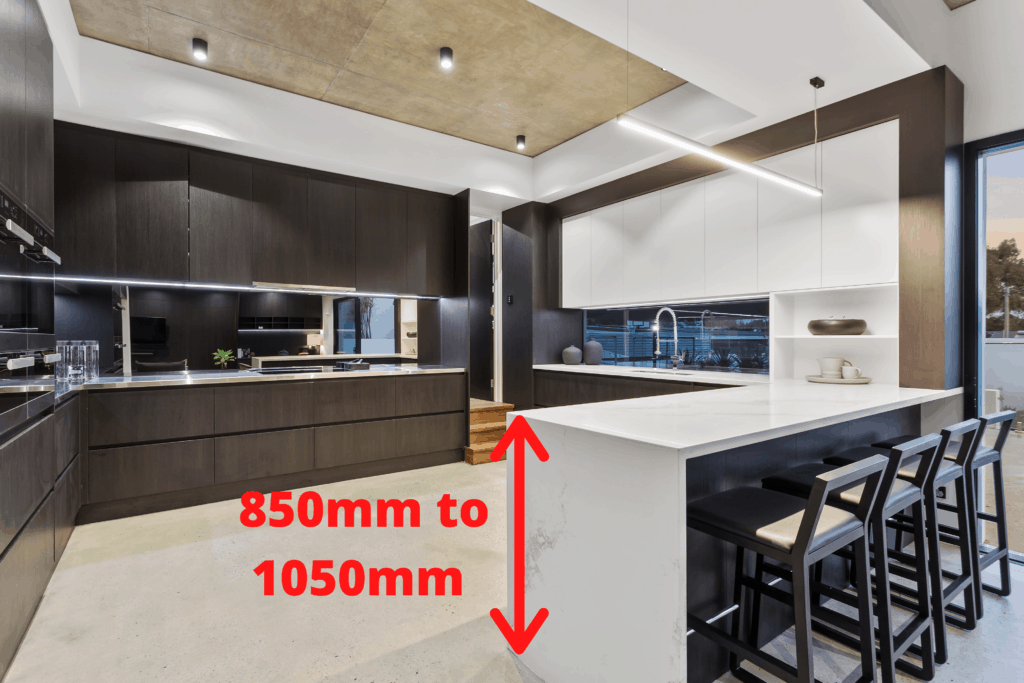
Credit: buildsearch.com.au
Frequently Asked Questions
What Is The Australian Standard For Benchtops?
The Australian standard for benchtops is AS/NZS 4386. 1:1996. It specifies requirements for materials, construction, and durability.
What Are The Australian Standards For Kitchen Installation?
Australian kitchen installations must comply with AS 4386 standards. Ensure proper ventilation, electrical safety, plumbing, and ergonomic design. Use non-toxic materials.
How High Is A Kitchen Bench In Nz?
A kitchen bench in New Zealand typically stands at 900mm high. This height offers optimal comfort and functionality.
What Is The Average Kitchen Dimensions Australia?
The average kitchen dimensions in Australia are typically 3. 2m x 3. 2m for small kitchens and 4. 4m x 3. 4m for larger ones.
Conclusion
Achieving the perfect kitchen bench height is essential for comfort and functionality. In Australia, the standard height is around 900mm. This measurement ensures ergonomic benefits and enhances the overall kitchen experience. Always consider your personal needs and consult professionals when designing your kitchen space.